If you are planning a big trek or climb, one of the first questions you should ask yourself is: what kind of trekking travel insurance should I get?
Trekking and climbing come with inherent risks, and in the event of an injury the potential cost of medical treatment in a foreign country can be enormous. The point is simple — you want insurance that leaves you feeling fully covered before you depart on your next big adventure.
Finding the best trekking travel insurance is not easy, though. Once you start reading the fine print of many common travel insurance providers, you will immediately notice that high-altitude trekking or climbing is either not covered or raises a lot of question marks about what is and isn't included.
At Karakoram Ascents, we have tried to take the hard work and guesswork out of the equation by sharing honest advice and tips for selecting the trekking travel insurance that best suits your needs. Let's jump right in.
Why Choose Trekking Travel Insurance?
Engaging in high-risk activities like trekking and mountaineering means that, at some point during a lifetime of big adventures, there will come a moment when an injury occurs and you will need to be protected from the exorbitant costs that come with emergency medical attention and helicopter evacuations.
For perspective, arranging a helicopter in Pakistan can cost as much as $25,000. Treating a broken bone can run into thousands too, especially if you need emergency surgery.
Whether you are looking for Everest Base Camp insurance or cover for trekking up to 6,000m, one thing is certain: you must have adequate trekking travel insurance.
If you want to skip straight to the point: our team's top pick for the best trekking insurance is Global Rescue.
The Overall Best Trekking Travel Insurance: Global Rescue
Having organized trekking and adventure trips for years, we have not found a better travel insurance option for trekking activities than Global Rescue.
They specialize in helicopter rescue and extraction, and in most situations you can count on them to come through with a helicopter evacuation when you need it most.
Global Rescue offers two different products, and it is important to understand the difference between them.
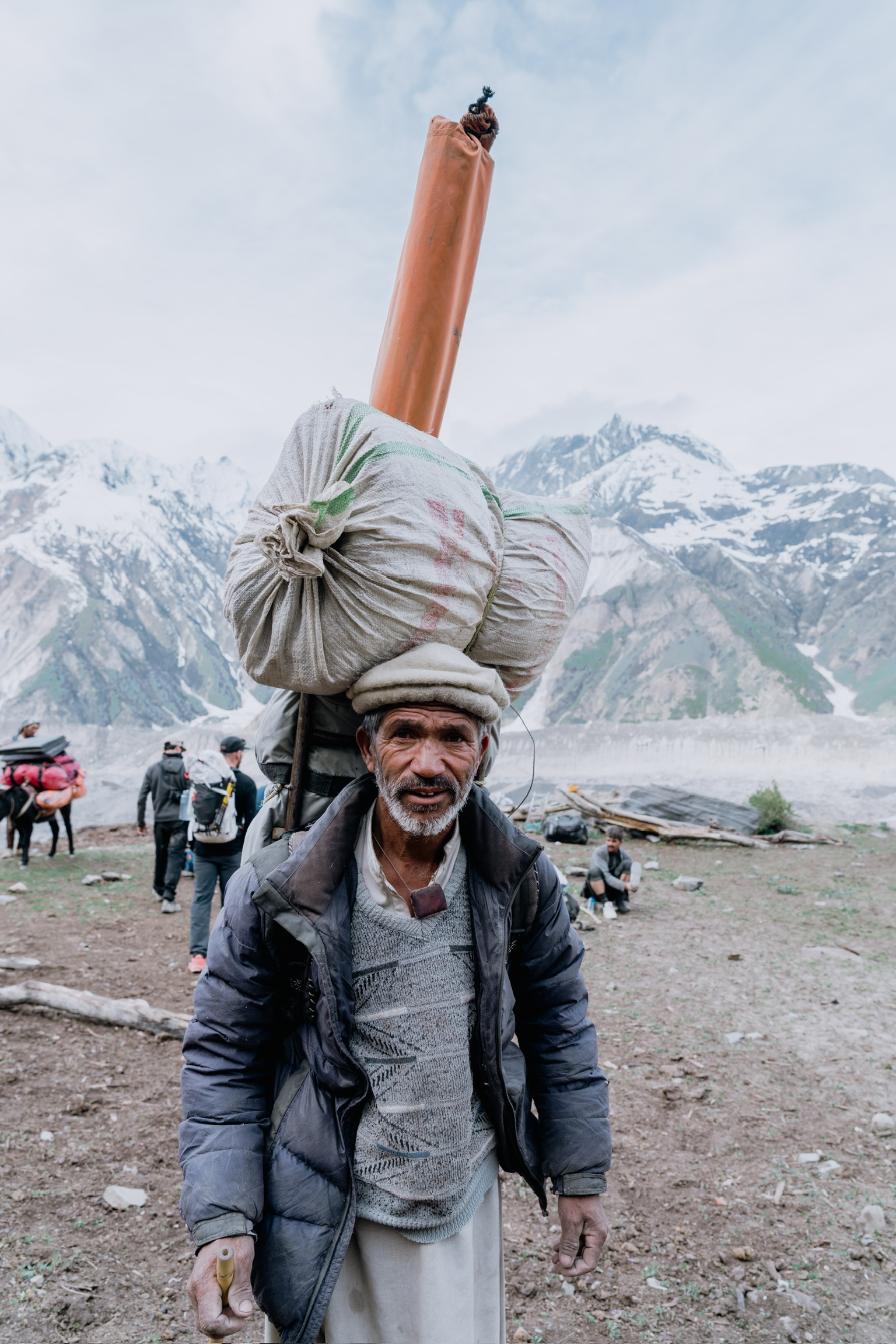
Global Rescue Membership
Cover is provided for emergency helicopter evacuations almost anywhere in the world. Global Rescue pioneered worldwide field rescue for their members in remote or dangerous countries, with deployable teams standing by to rescue clients in the case of a serious illness or injury. It is worth noting that the membership only includes the helicopter or emergency evacuation — it is not medical insurance.
Here is what is covered with a Global Rescue Membership:
- Emergency staff operators on call 24 hours a day, seven days a week.
- No limit on altitude — even if you plan on climbing Mount Everest, you are covered.
- Fast deployment, so you are not haggling with insurance companies or facing delays when you are injured and need a helicopter.
- Destination reports for 215 countries and principalities worldwide, including entry requirements, travel status and restrictions, detailed health and security assessments, and required immunizations.
Global Rescue IMG Signature Travel Insurance
This is the medical insurance part of what Global Rescue offers. It is essentially an add-on to the membership outlined above, though it is also possible to get the insurance without a membership.
The best part about the Global Rescue travel insurance is that there are no exclusions for trekking-based activities or being at high altitude — a common exclusion for other travel insurance companies.
The policy also covers things like lost or stolen baggage, search and rescue operation costs, and rental car damage.
The main downside is that it is expensive — but like most things in life, you get what you pay for, and that certainly rings true when it comes to the best trekking travel insurance.
If you are going to climb a mountain higher than 6,000m, this is the right insurance for you.
A Story of First-Hand Experience with Global Rescue in Pakistan
There is a first time for everything. The following event proved to be a good test of Global Rescue's services when the time came to call in an emergency helicopter evacuation.
We had one elderly client join us on a trek to K2 Base Camp who was struggling and unwell from a combination of the altitude and something he had eaten. Our trip leader made the decision to end his trek on the third day, more as a preventative measure against something worse happening later at an even higher altitude. The client agreed, and we called Global Rescue from the satellite phone. They were extremely helpful and responsive.
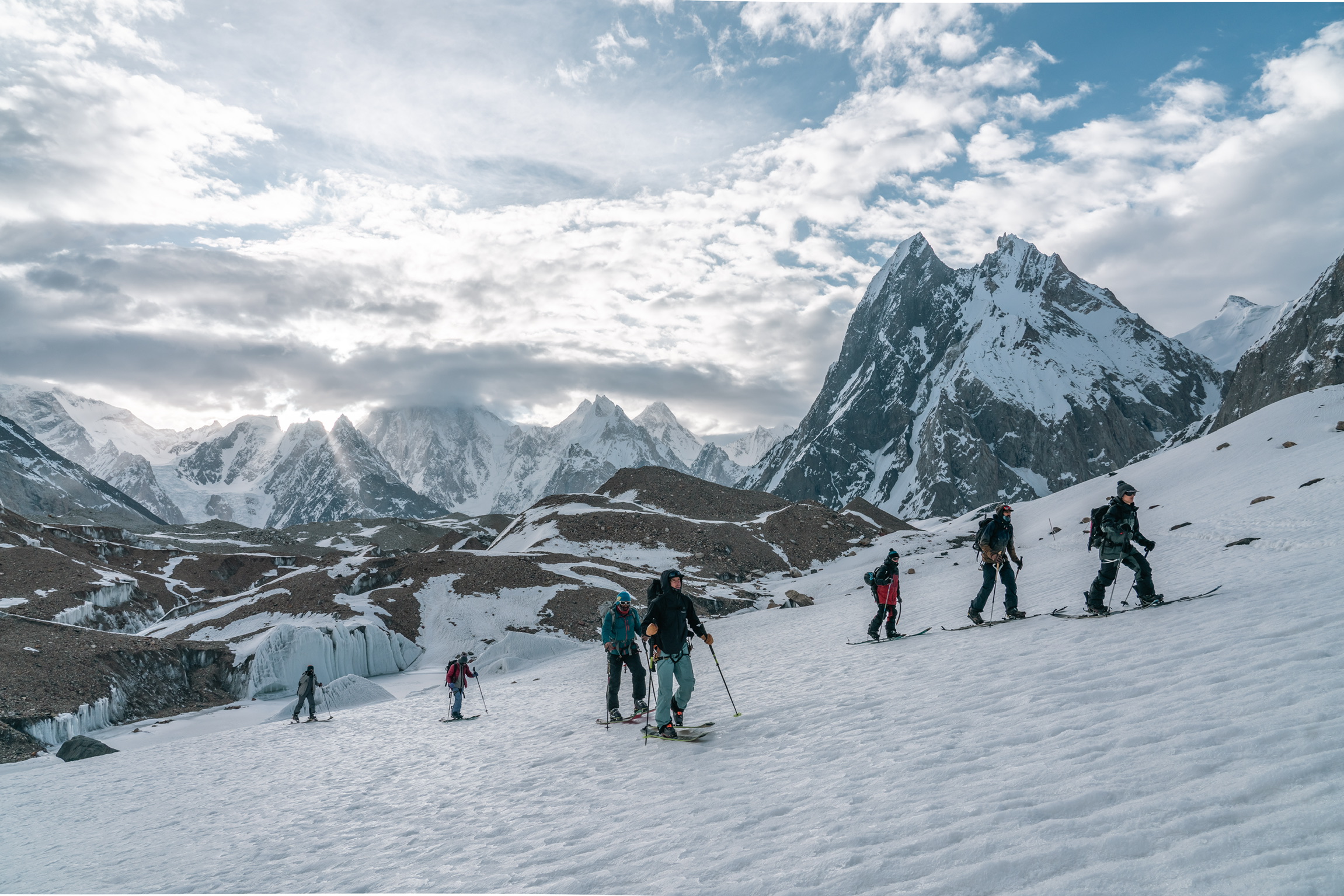
They arranged for a helicopter to meet us at our camp the next day. Right on schedule — in fact 45 minutes early — the helicopter arrived and the client was airlifted to a hospital in Skardu for treatment of his stomach bug.
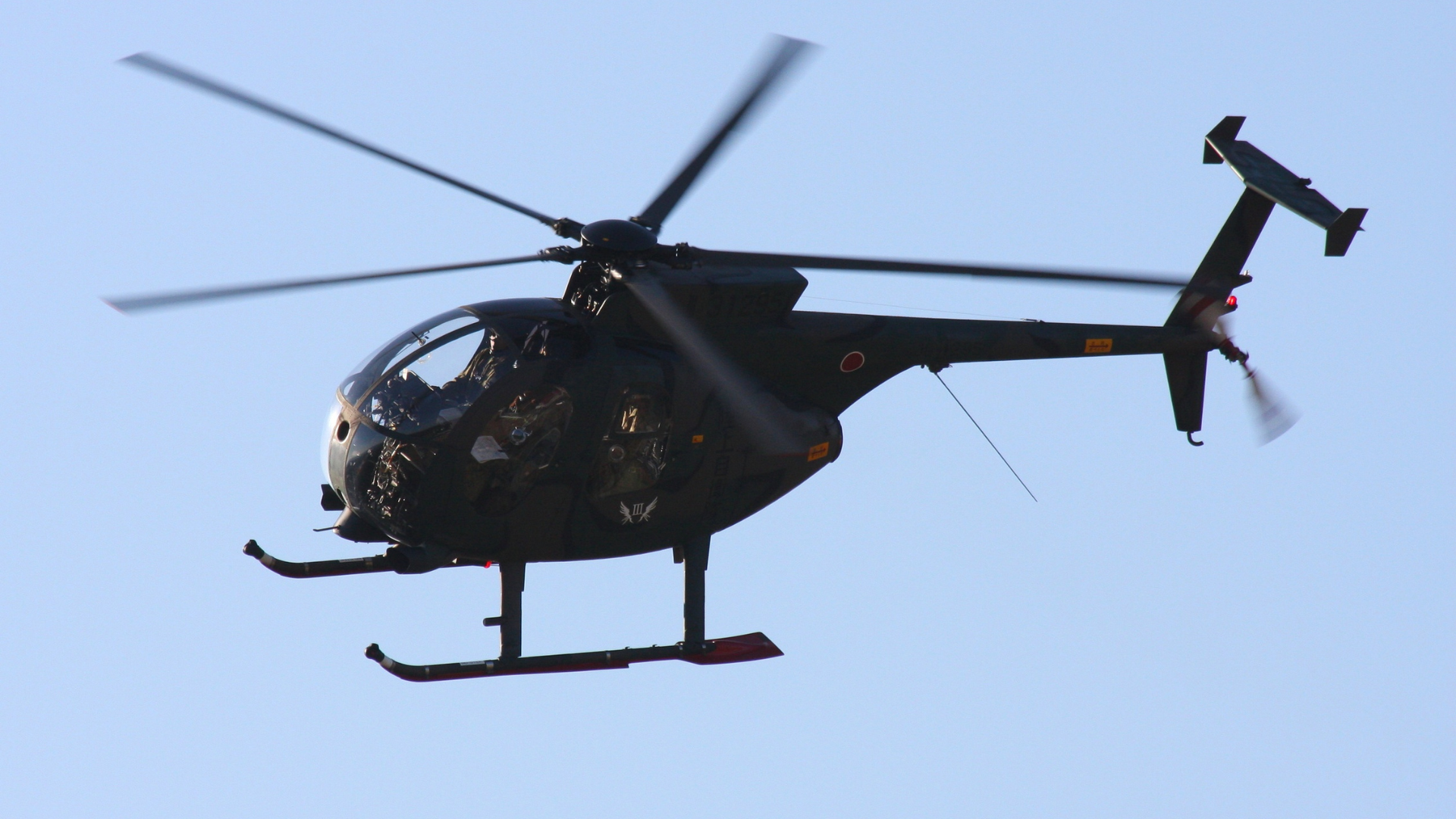
Organizing heli rescues in Pakistan is far more complicated than in Nepal or other adventure destinations, because the request must go through the army to secure the helicopter. Global Rescue handled everything from start to finish and even carried out wellness checks on the client in the days that followed. After that experience, Global Rescue earned our full confidence and is a major reason we recommend them to our clients.
Runner Up: Garmin SAR Travel Insurance
That's right — the company known for making fitness tracking watches, altimeters, and GPS devices now offers search and rescue travel insurance.
It should be clear that Garmin SAR (search and rescue) does NOT cover any medical costs, so you would need additional travel insurance for medical matters, and you need a compatible Garmin device to use it.
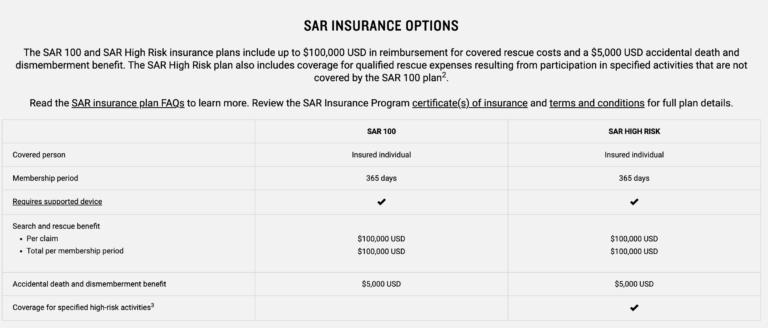
The main function of Garmin SAR insurance is that it covers evacuation and search and rescue incidents. There are two categories to know about: SAR 100 and SAR High-Risk.
The SAR 100 policy has an exclusion if you plan on mountain climbing with intent to go above 5,000m, so you will need to step up to the high-risk plan if your itinerary takes you higher — and there is a significant price increase for that coverage.
Depending on the length and duration of your trip, the Garmin SAR High-Risk policy is one of the best-value options for trekking up to 6,000m. Both Garmin SAR policies cover up to $100,000 for search and rescue or helicopter evacuation situations.
To use this insurance, you need the Garmin inReach or inReach Mini. We have used these devices extensively on Karakoram Ascents trips and they function almost anywhere in the world. In fact, much of the helicopter evacuation described above was coordinated through messages exchanged with Global Rescue via a Garmin inReach Mini before we broke out the sat-phone. The Garmin satellite messengers also have an SOS button that immediately triggers emergency response communications directly with Garmin.
Shop Compatible Garmin Devices
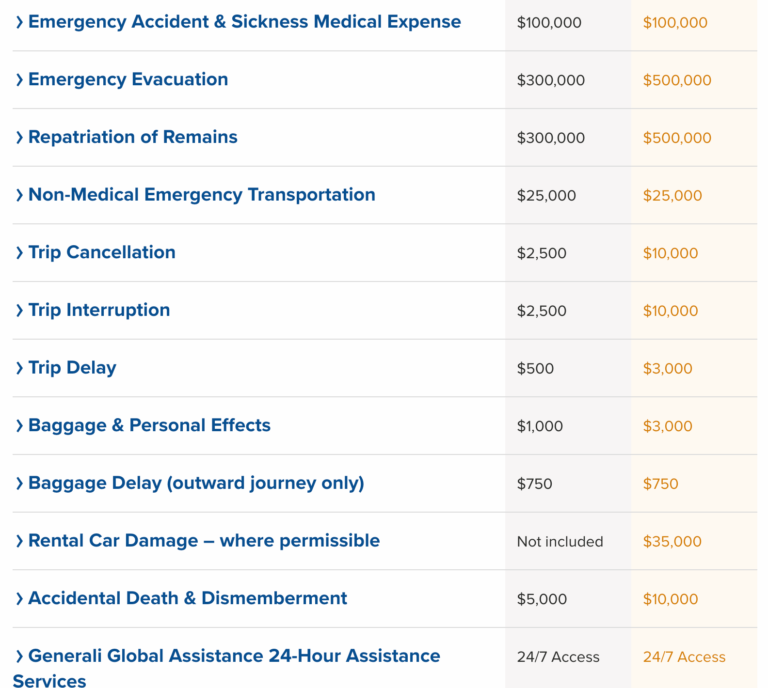
World Nomads Standard and Explorer Insurance
World Nomads has been an industry leader for basic travel insurance for a long time and is one of the most popular options for standard backpacker cover, with a good reputation within the traveler community.
When it comes to trekking travel insurance, World Nomads is a solid overall option, offering medical coverage, rescue services, and coverage for lost or stolen baggage.
The major downside of the World Nomads Standard (and cheapest) plan is its lack of coverage due to high-altitude exclusions above 6,000m. The World Nomads Explorer policy covers mountaineering expeditions up to 7,000m.
For the standard policy, if you are using ropes or other climbing equipment, you might not be covered. As with any insurance, it is best to read the fine print before choosing one based on your itinerary and plan.
Safety Wing
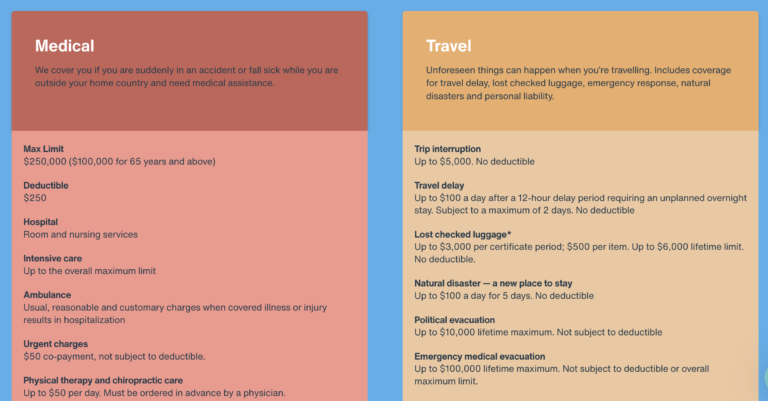
The cheapest travel insurance on this list is offered by Safety Wing.
Safety Wing is known more for being "digital nomad" insurance than adventure sports insurance, but it still provides decent coverage. If you are visiting Europe or the USA, more basic trekking travel insurance is probably all you need.
If you are trekking or mountaineering at elevations of 4,500m or lower, you are fully covered. Their base price is around $42 USD, which is a great deal for basic medical coverage. Note that Safety Wing does not cover helicopter medical evacuation.
How to Choose the Best High-Altitude Trekking Insurance
Choosing the right high-altitude trekking insurance is not a decision to take lightly. There are major financial and safety implications if you choose the wrong policy for your itinerary. This is why we recommend Global Rescue — from what we have observed, it comes with no nonsense, which is exactly what you want in your hour of need.
Here are six things you should consider before pressing the "buy" button on your next trekking travel insurance policy:
- Look at the maximum altitude you plan to reach. Policies really start to differ once you are talking about 5,000m or higher.
- Know whether you will be using any ropes or climbing tools during your trip.
- Check with the insurer whether coverage is possible for a high-risk destination with active conflict, sanctions, or other factors they might deem ineligible.
- See if there is a "cancel for any reason" add-on. Trip cancellation cover protects your investment if an unexpected emergency prevents you from traveling.
- Make sure the company covers your specific nationality for the country you plan to visit. Not all insurers cover every nationality for every destination.
- Read over ALL of the exclusions and benefits. Understand the policy before you buy it.
The Best Insurance for Everest Base Camp or K2 Base Camp Trek?
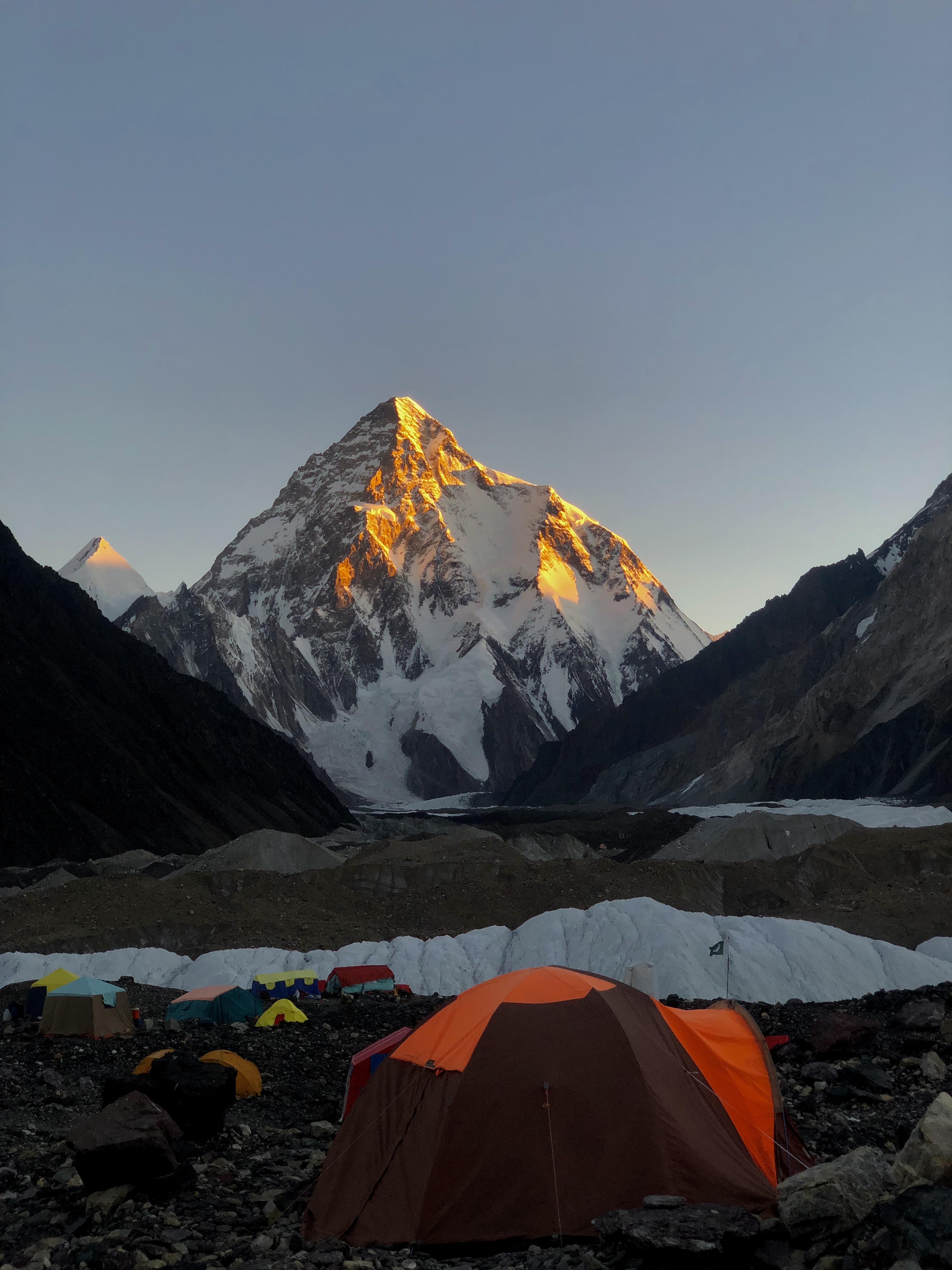
Choosing trekking insurance for the Everest Base Camp trek, or another long-distance high-altitude trek like K2 Base Camp, should be fairly straightforward. In both cases you will be going above 5,000m, so you need appropriate coverage for that altitude.
The K2 Base Camp trek with the Gondogoro La (5,600m) add-on might also influence your choice, because crossing that pass involves a fixed rope line, crampons, and similar equipment.
From our list above, the best insurance for the Everest Base Camp or K2 Base Camp trek that our clients have used has been Global Rescue. World Nomads would be a close second for total medical and emergency evacuation coverage.
Wrap Up: The Best Trekking Travel Insurance for High Altitude
We know that reading about trekking insurance is the least fun part of planning a big adventure. That said, if you take one thing from this article, it should be that having the right trekking insurance for your specific project is very important.
Thinking about insurance is just one of those things we must do to make sure we are protected in a worst-case scenario. Once your trekking travel insurance is sorted, you can shift focus to building your fitness and preparing the expedition gear you need for the adventure ahead.
If you have not already, be sure to check out Global Rescue for one of the most comprehensive policies out there.
Disclaimer: We are not insurance professionals or experts. We can only offer advice based on the type of trekking insurance our own clients have used and our own experience with these products. We never recommend insurance products our team members have not used themselves.
If you have any questions about insurance requirements for your trip, please reach out through our contact page — we are always happy to help.