
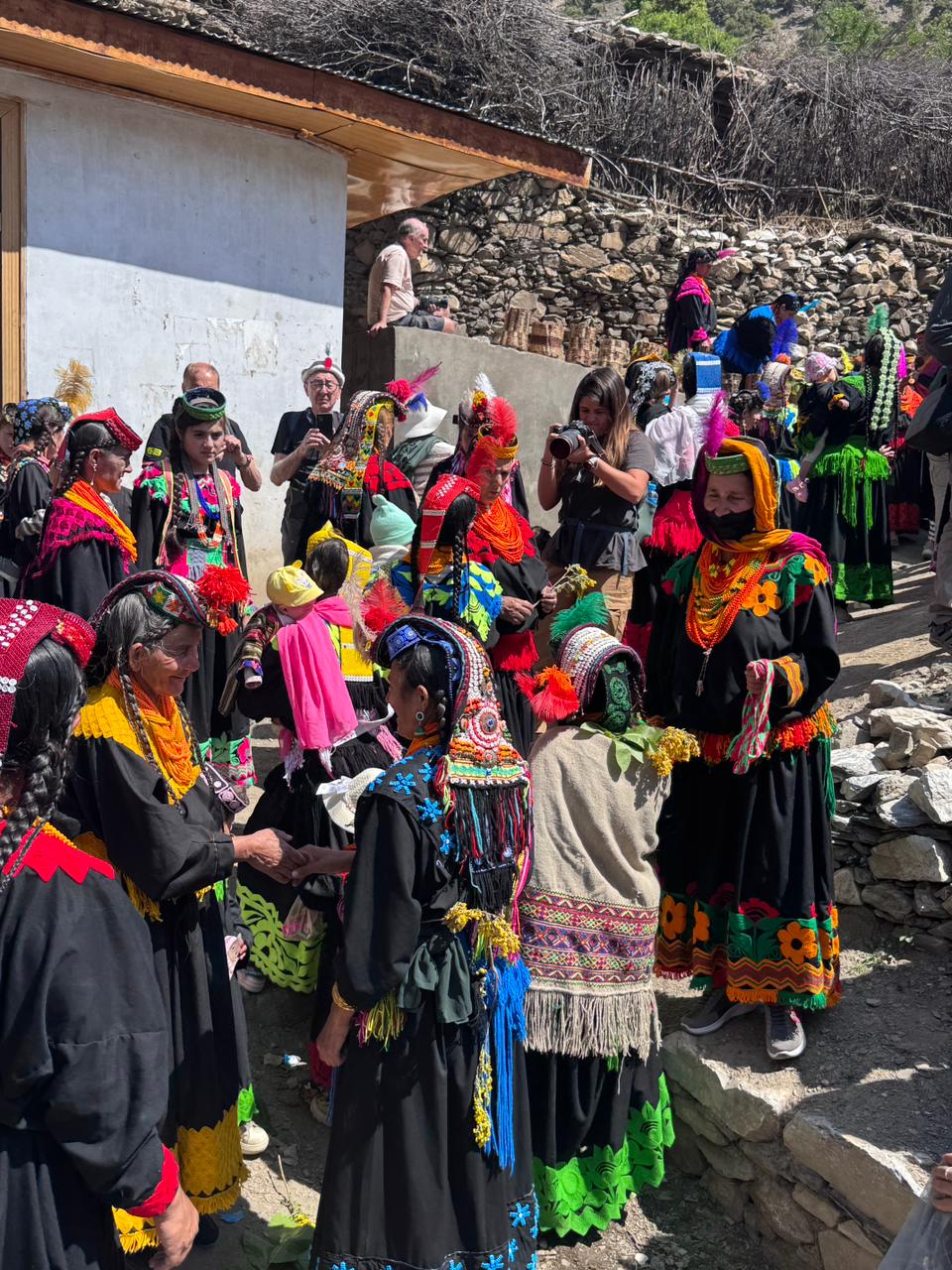
Kalash Valley Festivals
Walking between villages, festival grounds, and scenic stops. More travel days than long trekking days. Basic fitness and comfortable walking shoes are enough for most guests.
View Kalash departures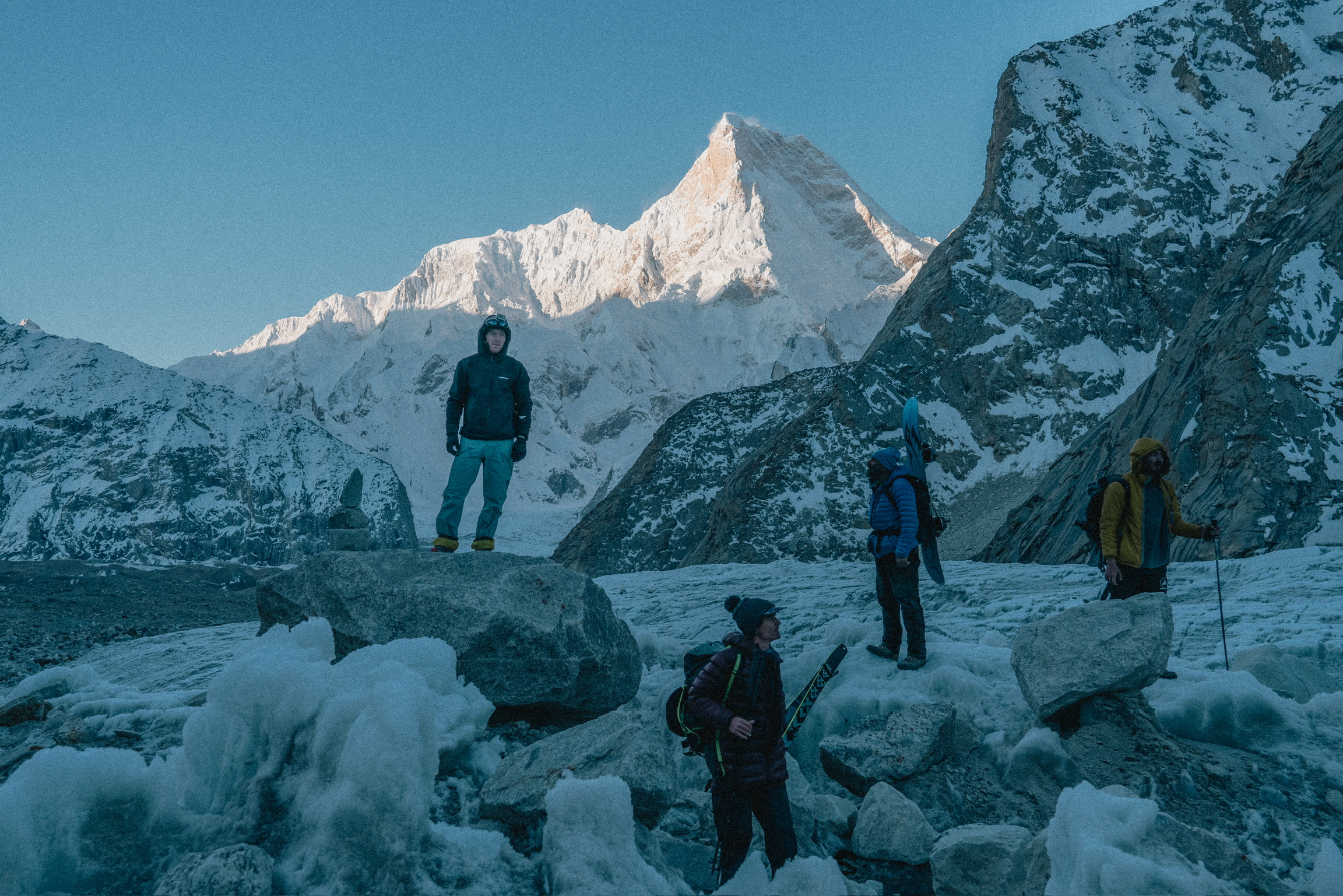
Fitness requirements depend on the trip you choose. You do not need superhuman conditioning to enjoy northern Pakistan, but every journey we run is an active adventure. Guests who walk regularly, spend time outdoors, and train with a little purpose before departure consistently have a better time on trail.
At Karakoram Ascents we have guided everyone from first-time trekkers in their twenties to experienced hikers in their sixties and seventies. What separates a smooth trip from a hard one is usually preparation, not age. This page explains what we expect, how to train for different routes, and how fitness relates to altitude on our most popular departures.
Match your training to the route you are booking. These are the benchmarks we use when guests ask whether they are ready.
Walking between villages, festival grounds, and scenic stops. More travel days than long trekking days. Basic fitness and comfortable walking shoes are enough for most guests.
View Kalash departures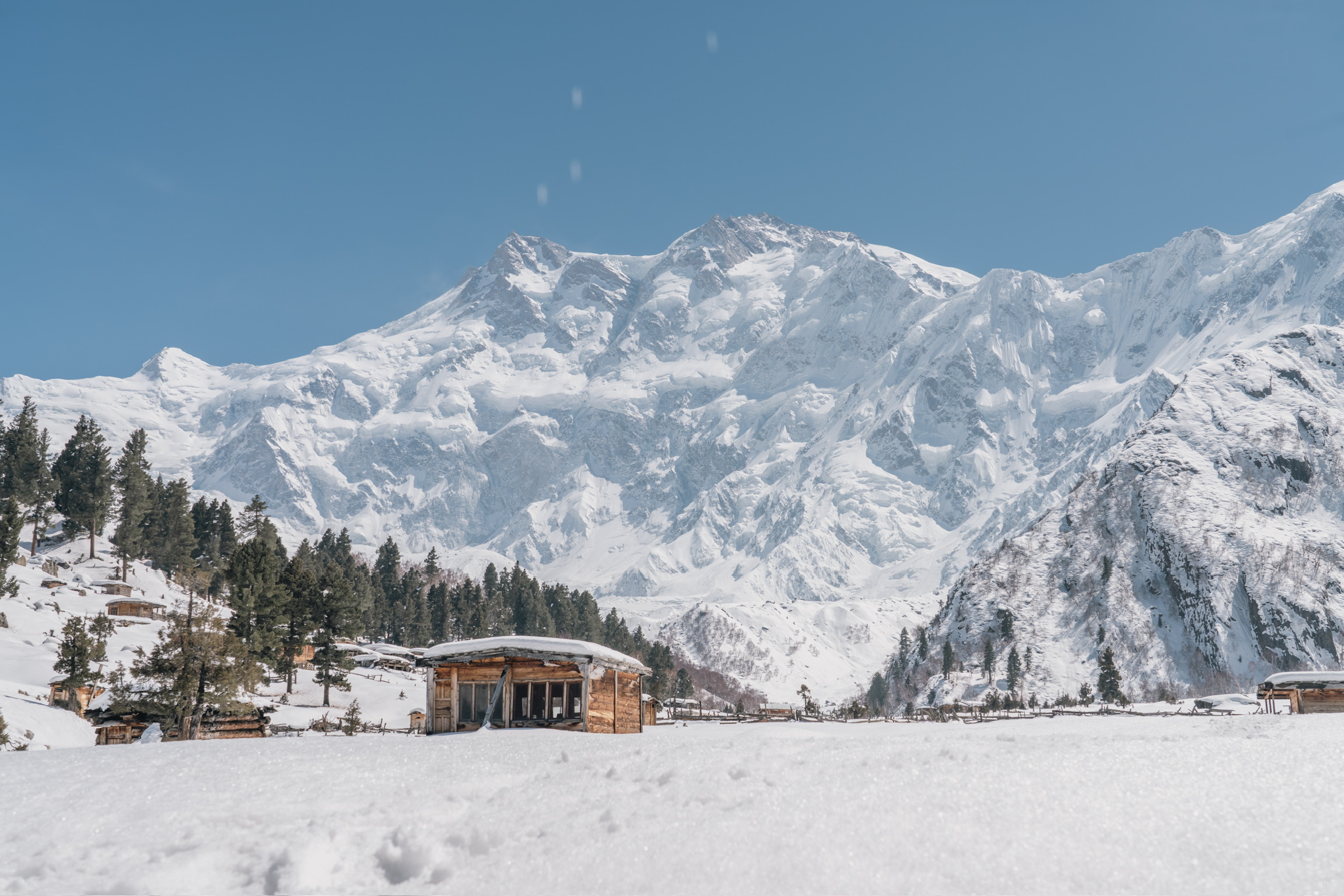
Jeep ride to Tato, then hikes of roughly 2 to 4 hours on trail days. Steady legs and comfort at moderate altitude matter more than technical skill. Horse support is available on some sections.
View Fairy Meadows trip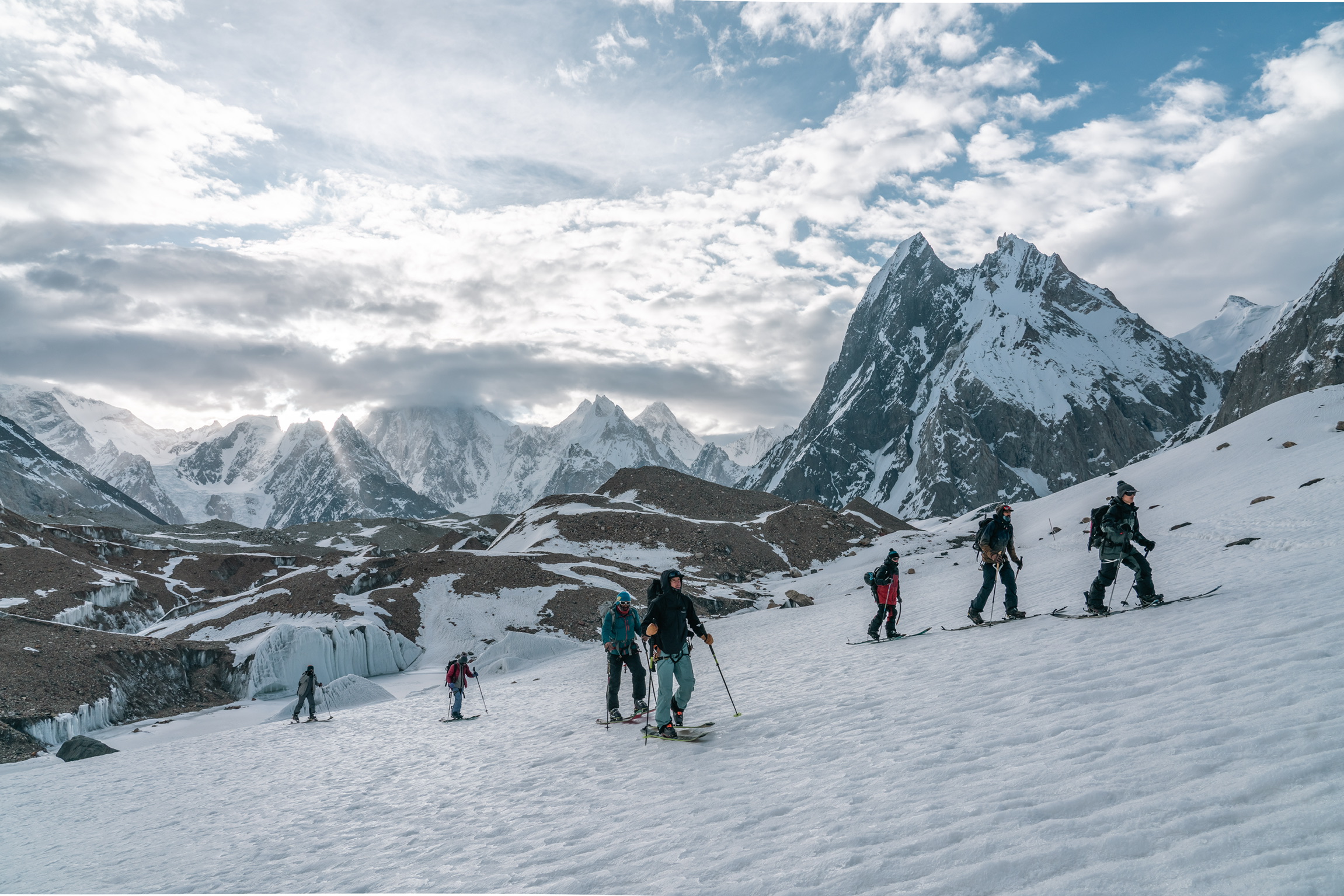
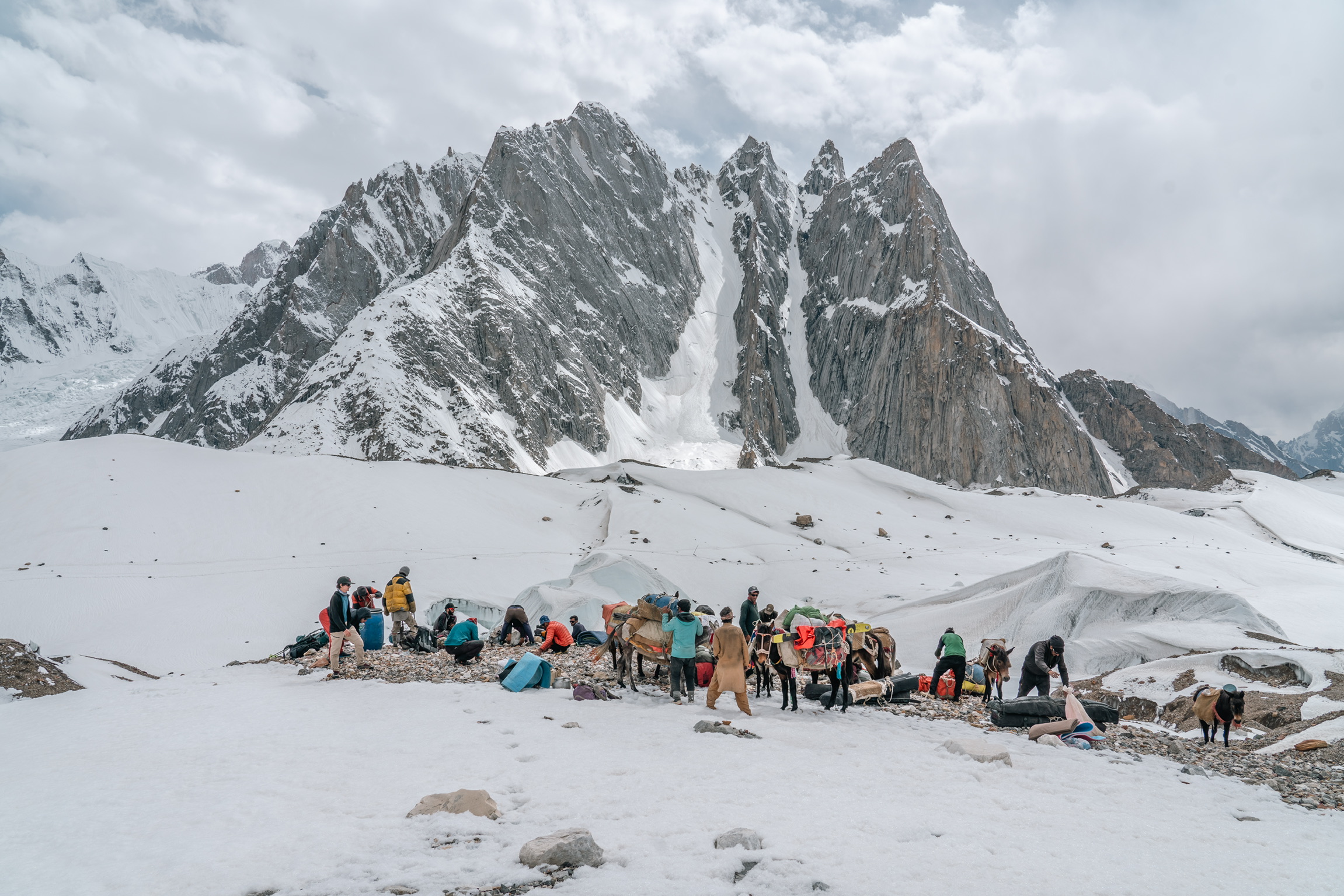
Multi-week trekking with frequent 6 to 8 hour days on the Baltoro Glacier. Optional Gondogoro La adds a 10 to 12 hour pass day. Strong endurance and prior hill walking experience are strongly recommended.
View K2 Base Camp trek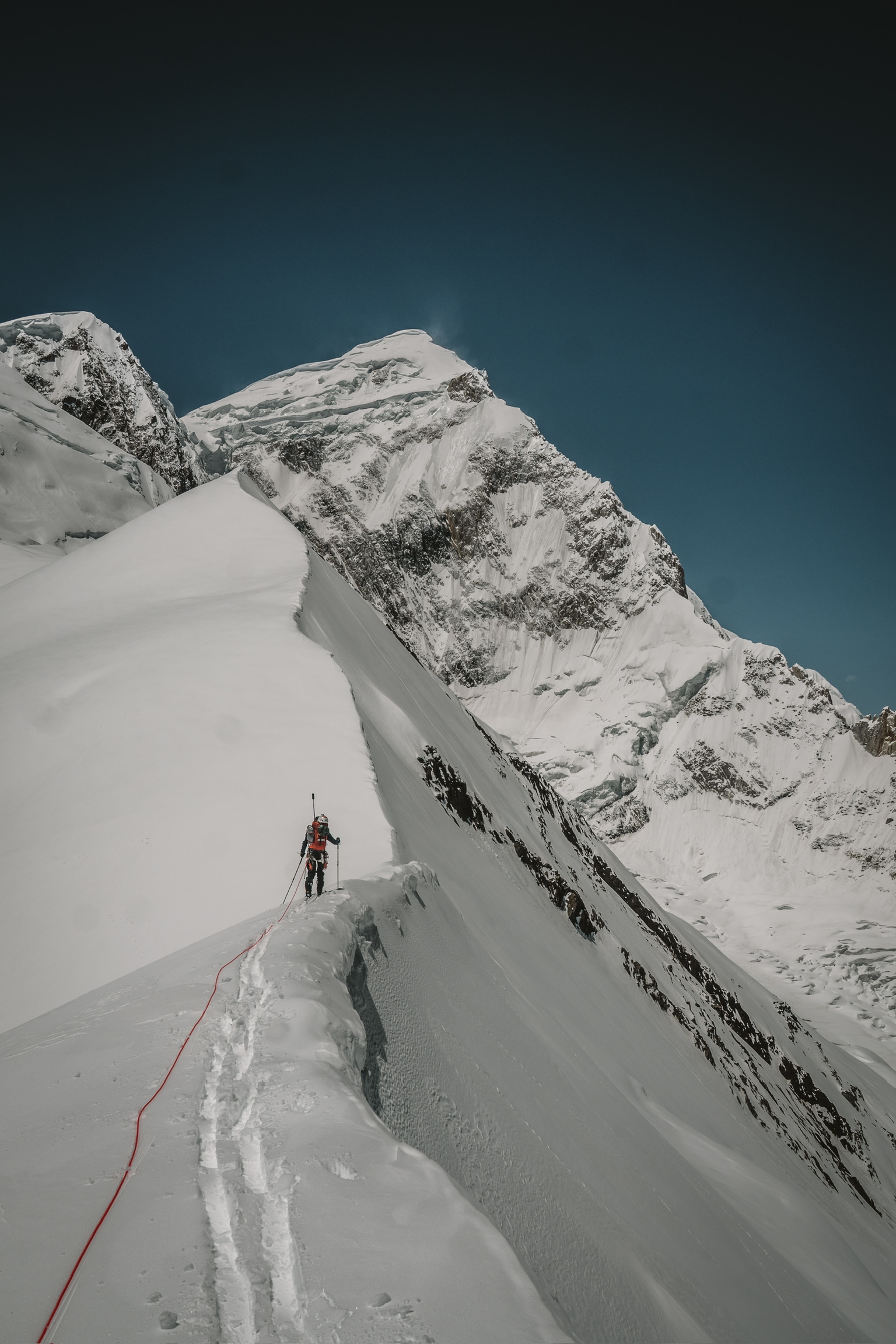
Approach days of 5 to 8 hours, then high-altitude climbing with acclimatization rotations. Prior experience above 6,000 m and structured climbing fitness are expected. Contact us to discuss your profile.
View Spantik expedition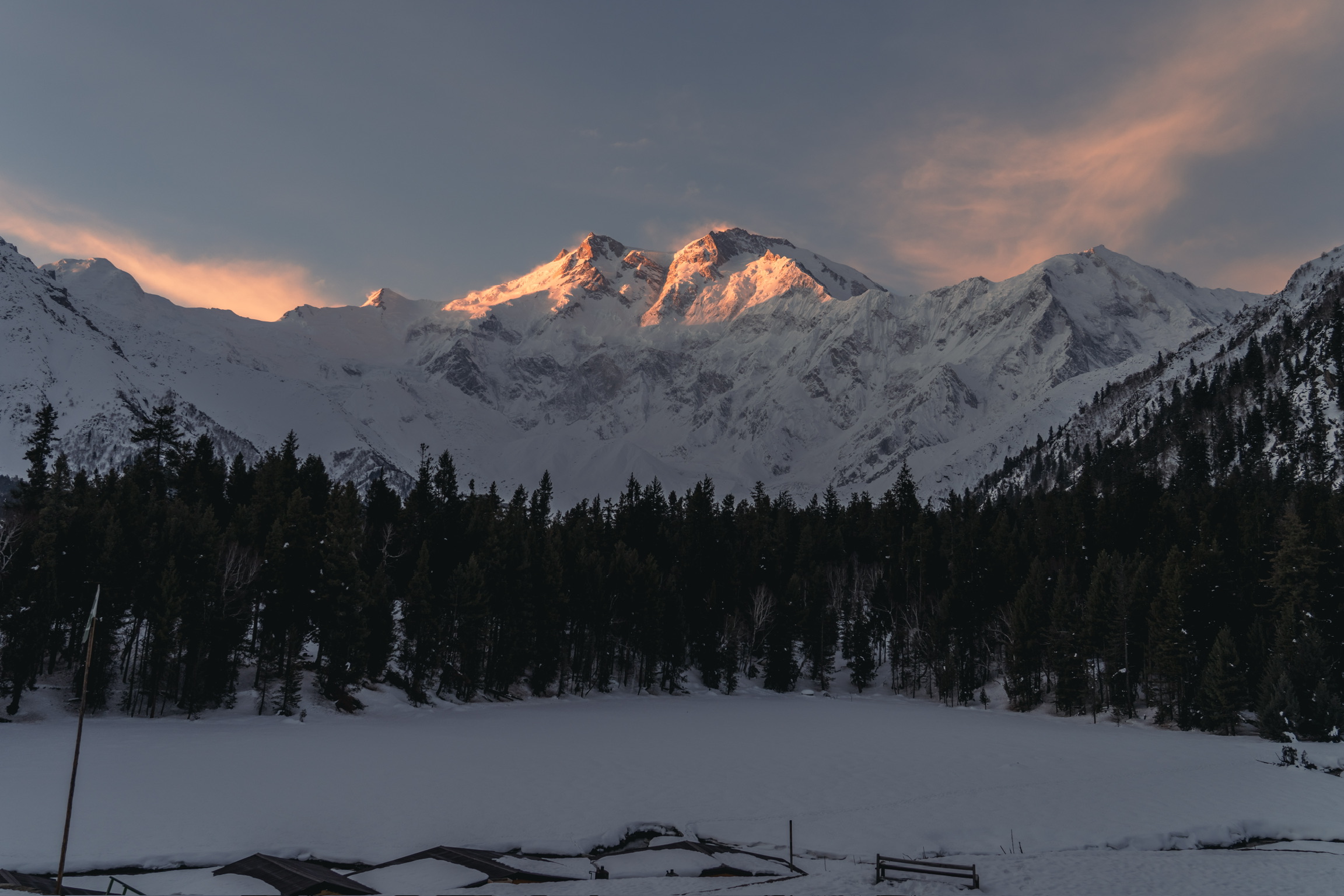
You do not need a complicated program. You need consistency, and you need to start early enough that your body adapts without injury.
These four habits cover what our guides see working best among guests who arrive feeling strong on day one.
Brisk walking, jogging, cycling, or swimming three to four times per week. Aim for 45 to 60 minutes per session. For K2 and Spantik, increase weekly volume gradually rather than jumping straight into long hikes.
Stair climbing, local trails with elevation gain, and repeated hill loops translate directly to mountain days. If your area is flat, use stairs or a treadmill incline. The Karakoram rarely gives you a flat day.
On trek you carry a daypack with water, layers, snacks, and camera gear. Start with a light pack and work up to 5 to 8 kg on longer walks. For K2, porters carry camp gear, but you still need day-hike stamina with weight on your shoulders.
Simple bodyweight work helps on uneven moraine and long descents: squats, lunges, step-ups, and planks two or three times per week. You do not need a gym membership. Consistency beats intensity.
Can you walk for 5 to 6 hours on hilly terrain with a daypack and still feel ready for dinner? That is a reasonable baseline for our moderate treks. For K2, aim higher and longer before you fly.
Adjust to your schedule. Rest days matter as much as training days.
Training should reflect reality. Here is what our itineraries typically ask for.
We build acclimatization and rest days into every serious itinerary. Fitness gets you through the hours. Smart pacing gets you through the altitude.
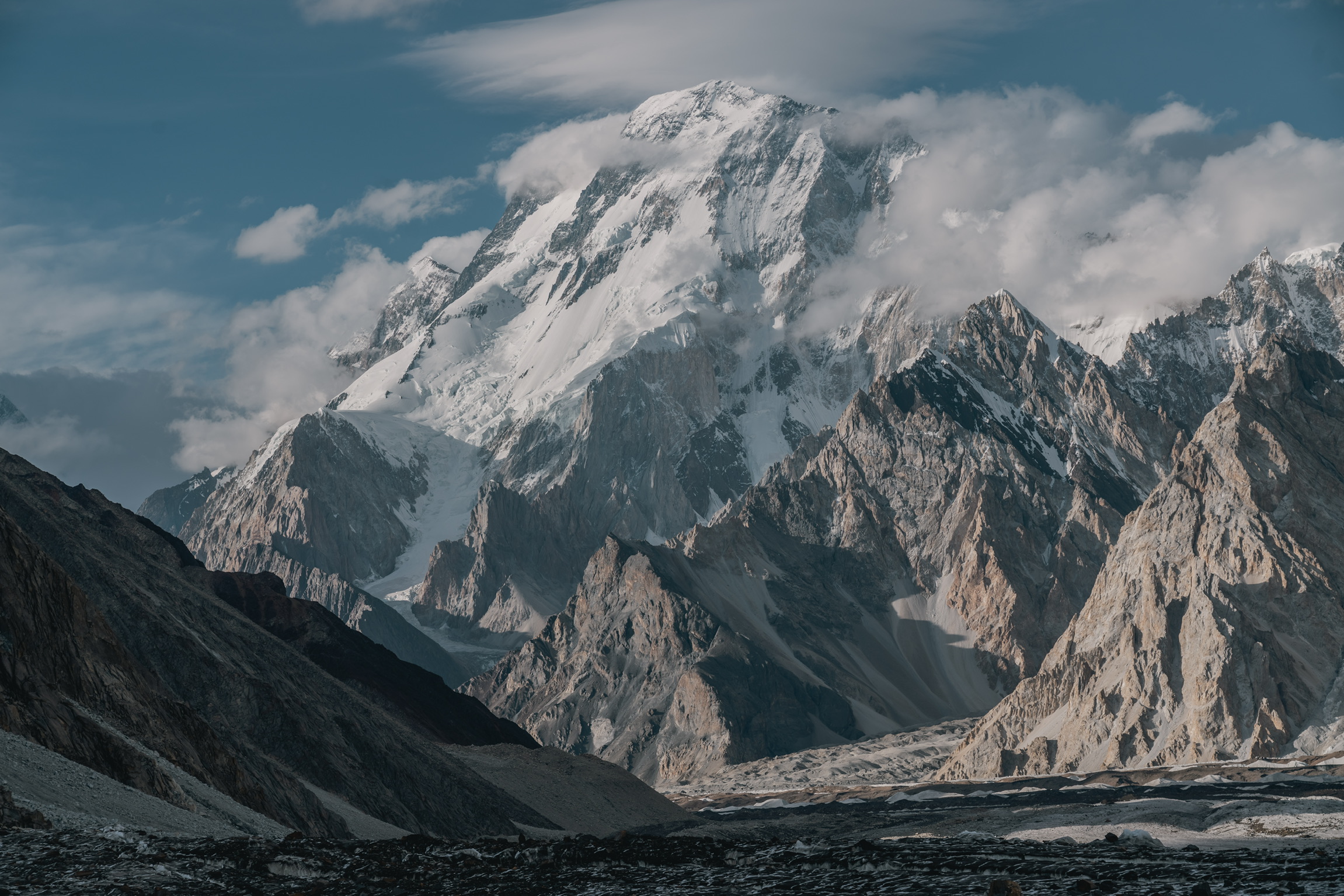
Being fit helps. It does not make you immune to altitude sickness. We see strong hikers struggle when they ascend too fast, and we see moderately fit guests do well when they hydrate, communicate symptoms early, and respect rest days.
For season timing and regional windows, read our best time to trek guide. For Fairy Meadows-specific prep, see the Fairy Meadows trek guide.
We coach guests on fitness, gear, and what each day will feel like before anyone boards a flight. Our itineraries use sensible acclimatization, realistic daily distances, and clear plans if someone needs to descend. On remote routes we carry satellite communication and brief you on evacuation options at the trailhead.
If you are unsure whether a trip matches your current fitness, contact us. We would rather have an honest conversation now than watch someone struggle on the Baltoro later.
Pick a departure that fits your experience level, then use the weeks before travel to show up trail-ready.
Questions about fitness for a specific route? Reach out through our contact page or browse all itineraries on destinations.