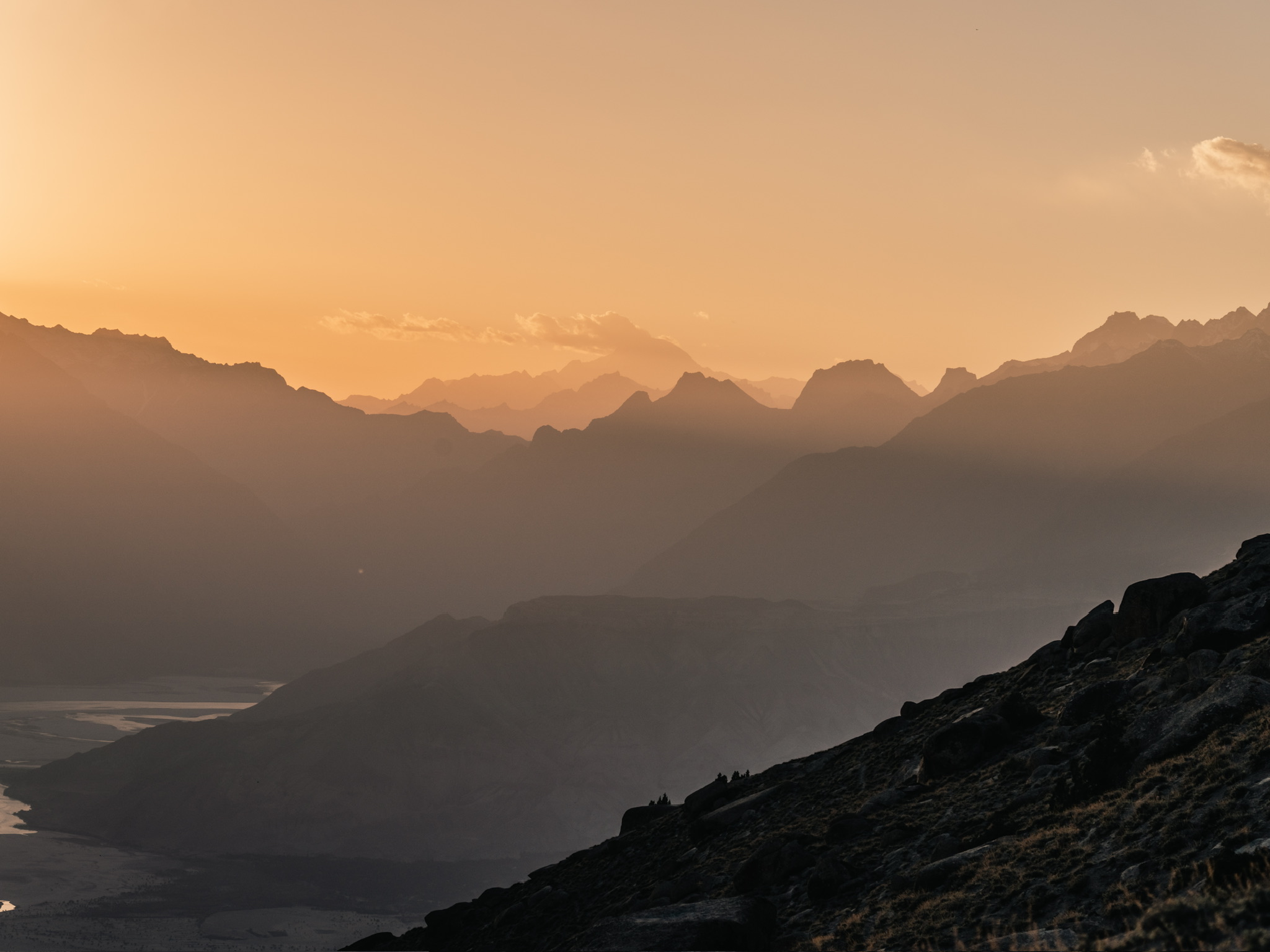
The drive from Skardu to Hunza is one of the most rewarding road trips in northern Pakistan. It connects two of Gilgit-Baltistan's best-known mountain destinations through deep gorges, river valleys, and some of the highest peaks on the planet. The scenery is extraordinary, but the terrain is rugged, so good planning matters. This guide covers distance, routes, road quality, transport choices, seasonal challenges, and the safety habits our drivers use on every run.
Skardu and Hunza in brief
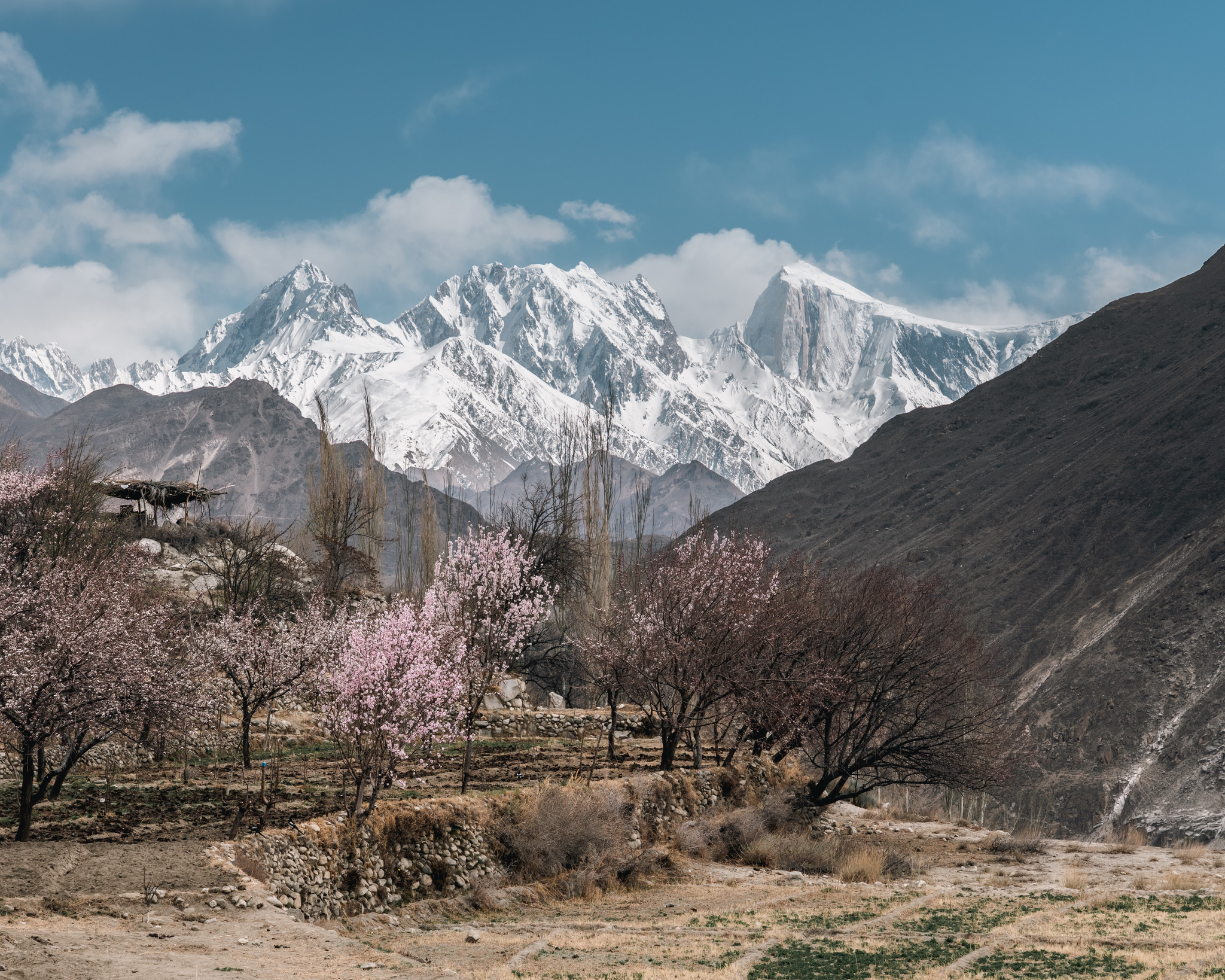
Skardu is the gateway to the Karakoram and Baltistan. It is the usual starting point for treks to K2 Base Camp, journeys onto the Deosai Plains, and trips toward the region's glaciers. Hunza Valley is known for its terraced fields, Baltit and Altit forts, and views of Rakaposhi, Ultar Sar, and Ladyfinger Peak. Linking the two in one trip lets you see Baltistan's stark high-country landscapes and Hunza's greener valleys in a single journey.
Distance and travel time
On the main road the distance is roughly 280 to 300 kilometres. In good conditions, expect 5 to 7 hours of driving. With photo stops, meal breaks, or minor delays near Gilgit, the day can stretch to 8 hours or more.
The straight-line distance across the mountains is much shorter, but winding valleys and river gorges add time. Build a full day for the transfer rather than trying to squeeze it in after a morning flight or trek.
Route options
Skardu → Gilgit → Hunza (main route)
This is the most reliable option and the one we use on most Karakoram Ascents departures.
-
1
Skardu to Jaglot
Follow the Skardu–Gilgit road south along the Indus through Baltistan.
-
2
Jaglot to Gilgit
Continue on paved road to Gilgit, the regional hub for fuel, food, and rest.
-
3
Gilgit to Hunza
Turn onto the Karakoram Highway (N-35) north into the Hunza Valley toward Karimabad.
This route is mostly paved, passes towns where you can refuel and eat, and offers constant views of the Indus and the Karakoram. Distance is about 280 to 300 km; driving time is typically 5 to 6 hours in favourable weather. It stays open most of the year except during severe snow, landslides, or major road works.
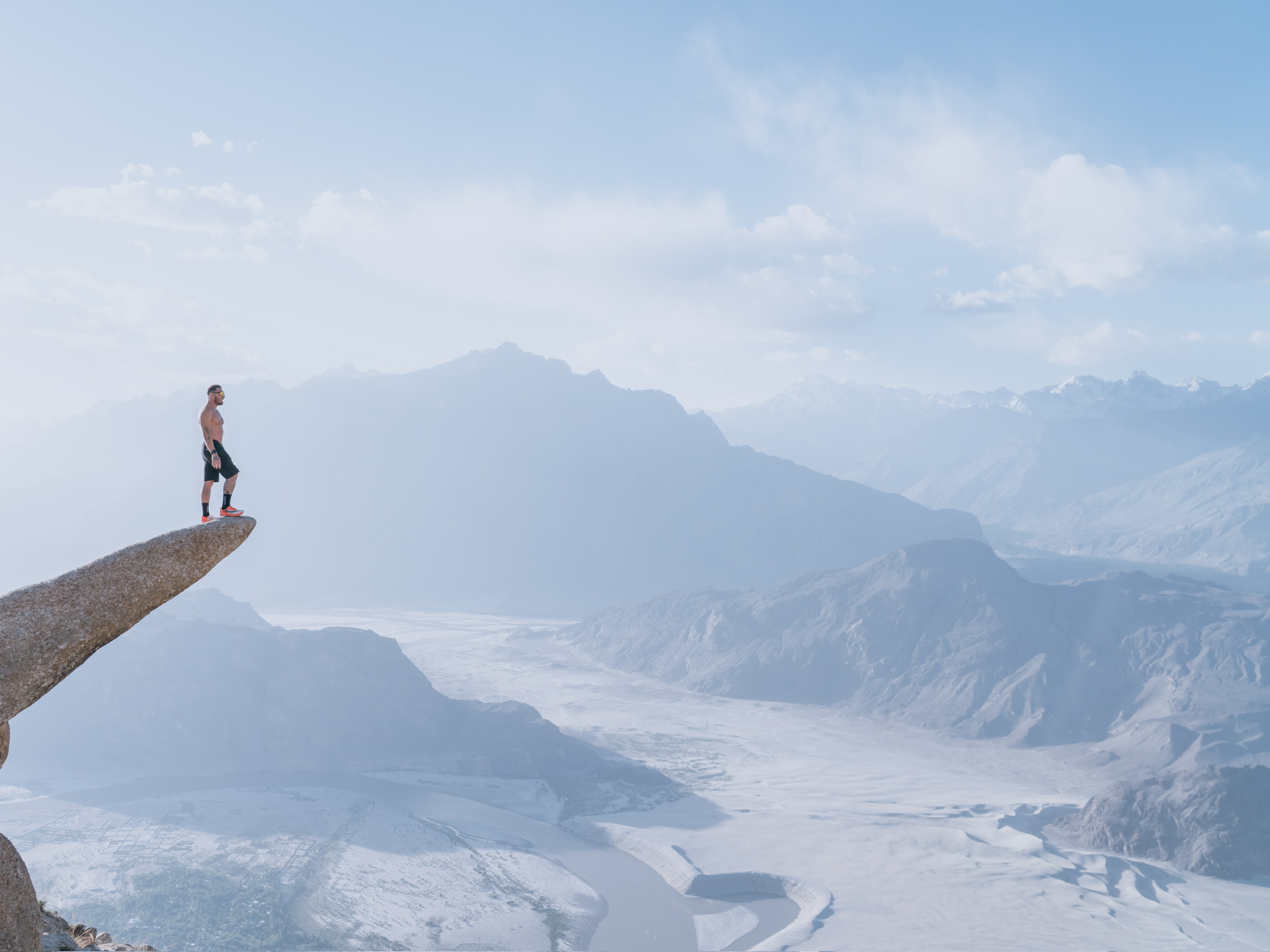
Skardu → Deosai → Astore → Hunza (scenic seasonal route)
For travellers with extra time and a suitable vehicle, the Deosai crossing is unforgettable.
-
1
Skardu to Deosai National Park
Climb onto one of the world's highest plateaus, open only in summer.
-
2
Deosai to Astore Valley
Descend through Astore with strong wildlife and photography potential.
-
3
Astore to Gilgit and Hunza
Rejoin the main corridor north toward Karimabad.
Distance is roughly 330 to 350 km and driving time 8 to 10 hours. The route is open from June to September, needs a 4×4, and weather can change quickly. We do not recommend it for first-time mountain drivers or tight schedules.
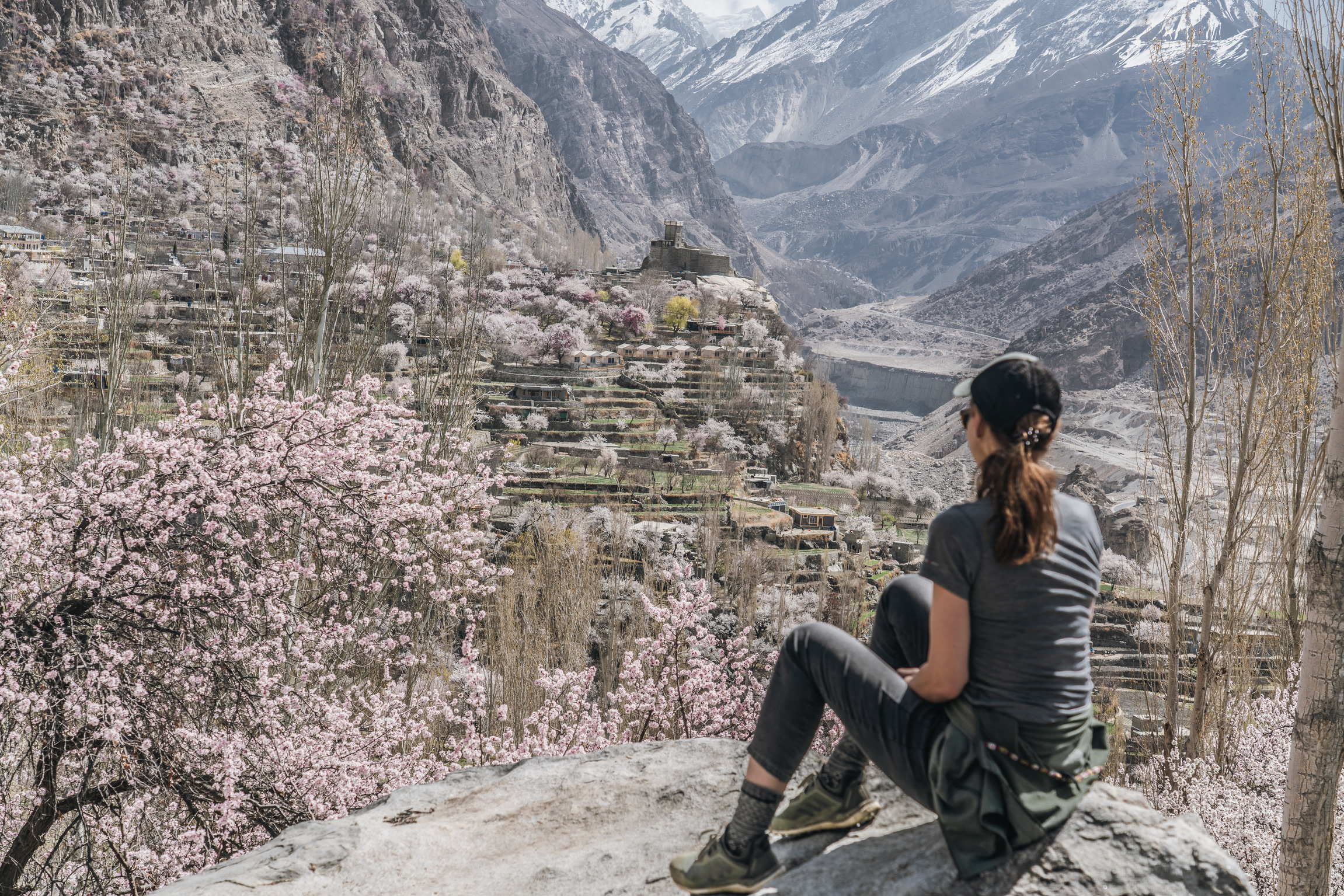
Our guided departures include Skardu–Hunza transfers with experienced local drivers who know every landslide-prone bend and fuel stop on the route.
Road conditions
Most of the main route is asphalt, but expect rough patches, narrow sections without guardrails, sharp hairpins, and gravel in remote stretches. After rain or snowmelt, landslides and rockfall are common, especially in tight gorges. Traffic near Gilgit can slow things down in peak summer.
Seasonal outlook
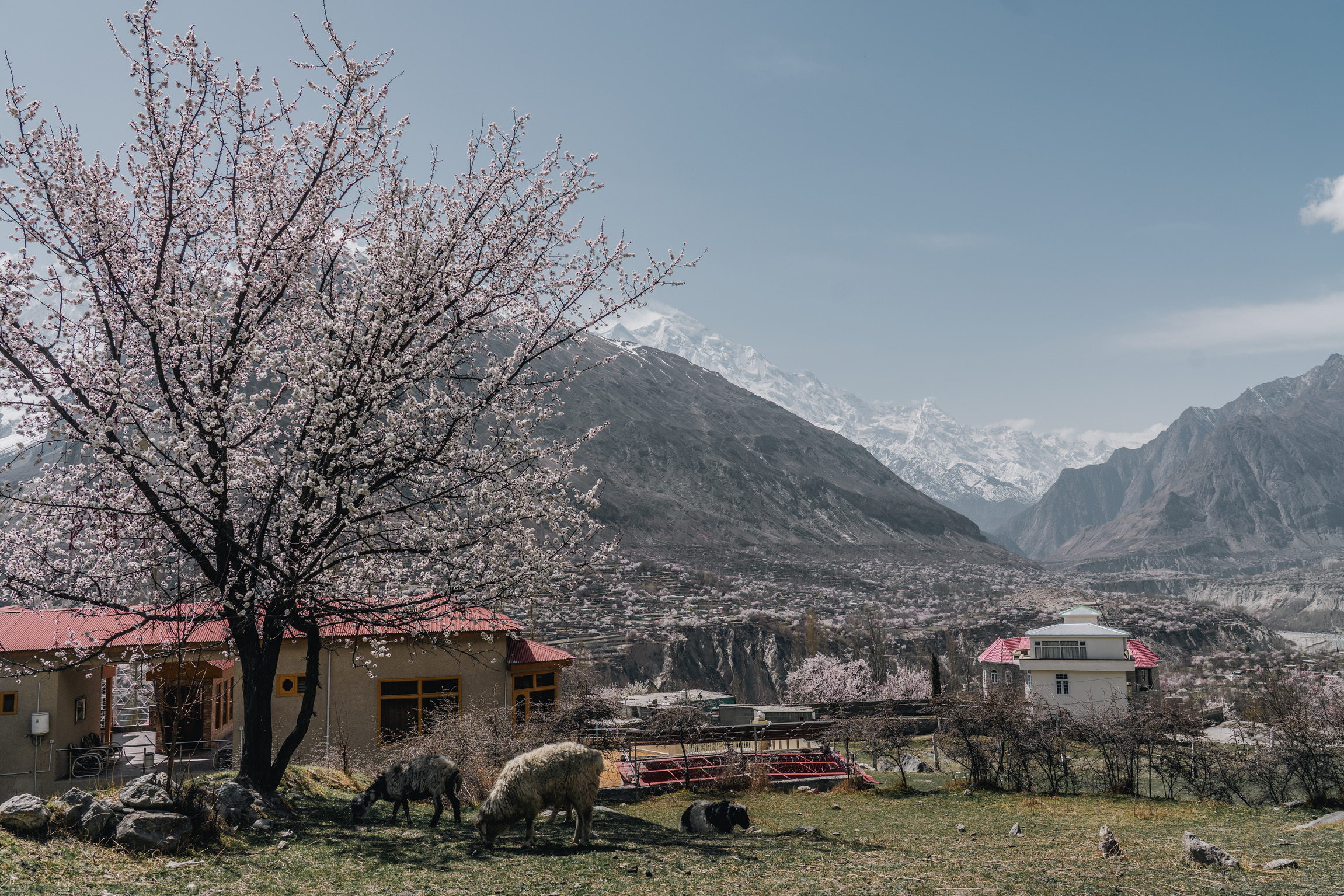
Spring (March–April)
Weather can be unsettled. Landslide risk rises after thaw. Drive with caution and check conditions before leaving.
Summer (May–September)
Best overall conditions, but also the busiest period. Book transport early and start early in the day.
Autumn (October)
Clear views and crisp air, but colder nights. Hunza's autumn colour makes this a favourite month for photographers.
Winter (November–February)
Snow, ice, and possible closures on high sections. Night driving is strongly discouraged year-round.
How to travel
Private car or jeep
Best for comfort, photo stops, and families. SUVs or 4×4 vehicles handle the terrain better than small sedans. Karakoram Ascents arranges private transport on all our northern departures.
Hired taxi or jeep
Available in Skardu with drivers who know the roads. A solid option if you are not comfortable driving mountain passes yourself.
Public transport
Shared vans and local buses run the route, usually with a change in Gilgit. Budget-friendly but slower, less flexible, and less comfortable for long mountain days.
Costs vary by season and vehicle type. Public vans are the lowest-cost option; private jeeps sit in the middle to upper range; self-drive adds fuel and rental fees on top. When you travel with us, transport is included in the package so you can focus on the scenery rather than negotiating fares in Skardu.
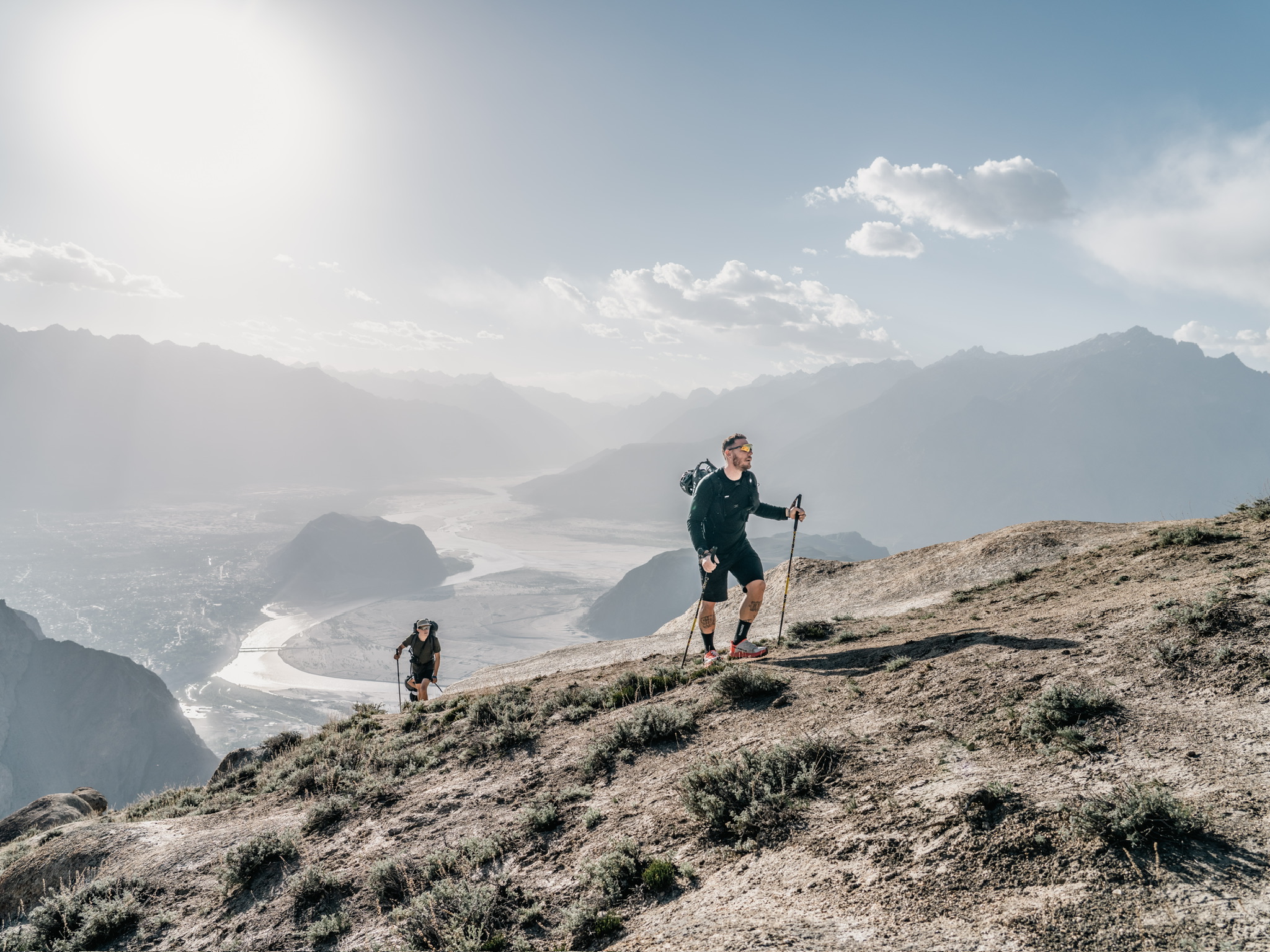
Facilities along the route
- Fuel. Stations in Skardu, Jaglot, and Gilgit. Fill up before remote stretches.
- Food and rest. Roadside hotels and small cafés between Skardu and Gilgit. Plan a lunch stop in Gilgit if timing allows.
- Mobile signal. Patchy in gorges; stronger near towns. Do not rely on data in the middle of the drive.
- Medical care. Gilgit has the nearest reliable facilities. Carry a basic first-aid kit for the road.
- Cash. ATMs are unreliable outside major towns. Carry enough Pakistani rupees for fuel, food, and emergencies.
Safety and travel tips
- Start early. Mountain driving is safest in daylight. Aim to reach Hunza before dark.
- Check conditions. Ask your hotel or guide about road status and weather before departure.
- Dress in layers. Even in summer, high passes and open valleys get cold quickly.
- Pack water and snacks. Stops are spaced out and delays happen without warning.
- Keep emergency contacts. Save your driver, hotel, and Karakoram Ascents team numbers before you leave Skardu.
- Do not overtake blindly. Narrow roads and blind corners make patience the better choice.
Heading onward to K2 or longer treks from Skardu? Review our trekking insurance guide and the K2 Base Camp itinerary before you travel.
Common questions
Is the road safe for tourists?
Yes, when travelled in daylight and stable weather with an experienced driver. Avoid night driving and check for landslide reports after heavy rain.
Can a small car manage the main route?
Yes on the Skardu–Gilgit–Hunza corridor in dry conditions, though an SUV or jeep is more comfortable and safer on rough patches.
Is the Deosai route worth it?
Absolutely, if you have a full day, a 4×4, and travel between June and September. It is one of the great drives in northern Pakistan.
Can Karakoram Ascents arrange the transfer?
Yes. Skardu–Hunza transport is built into our northern Pakistan departures. Contact us for custom routing as well.
Final thoughts
The Skardu to Hunza drive is more than a transfer between two towns. It is a passage through the heart of the Karakoram, where the Indus, the KKH, and some of the world's highest peaks share the same narrow corridor. With the right vehicle, an early start, and respect for mountain conditions, it becomes one of the most memorable days of any trip to northern Pakistan.
Whether you are heading to Hunza for the forts and lakes or using Skardu as the launch point for K2, we would be glad to handle the road so you can enjoy it. Read our Hunza Valley guide for what to do once you arrive.
Travel Skardu to Hunza with Karakoram Ascents
Local drivers, sorted logistics, and routes we know by heart. Join a scheduled departure or build a custom northern Pakistan itinerary.