If you travel through northern Pakistan, Hunza is rarely something you skip. Tucked deep in Gilgit-Baltistan along the Karakoram Highway, the valley has become the country's most visited mountain destination, and for good reason. Towering peaks, turquoise lakes, ancient forts, and some of the warmest hospitality you will find anywhere make Hunza feel like a place you want to slow down in. At Karakoram Ascents we run trips through Hunza every season, and this guide collects what we tell our guests before they go.
The valley is well set up for visitors compared with much of the north, but remoteness still demands planning. Roads shift with the weather, altitude catches people off guard, and the best experiences usually come when you have a local team handling the details. Whether you are joining one of our departures or building a custom itinerary, the advice below will help you arrive prepared.
Where is Hunza Valley?
Hunza sits at roughly 2,500 metres along the Hunza River in the Karakoram range, in the northernmost part of Pakistan. To the northeast it borders China's Xinjiang region, linked by the high Khunjerab Pass, one of the highest paved border crossings on earth. The valley's main hubs are Karimabad, Altit, and Aliabad, each close to landmarks that draw travellers year after year.
Weather and climate
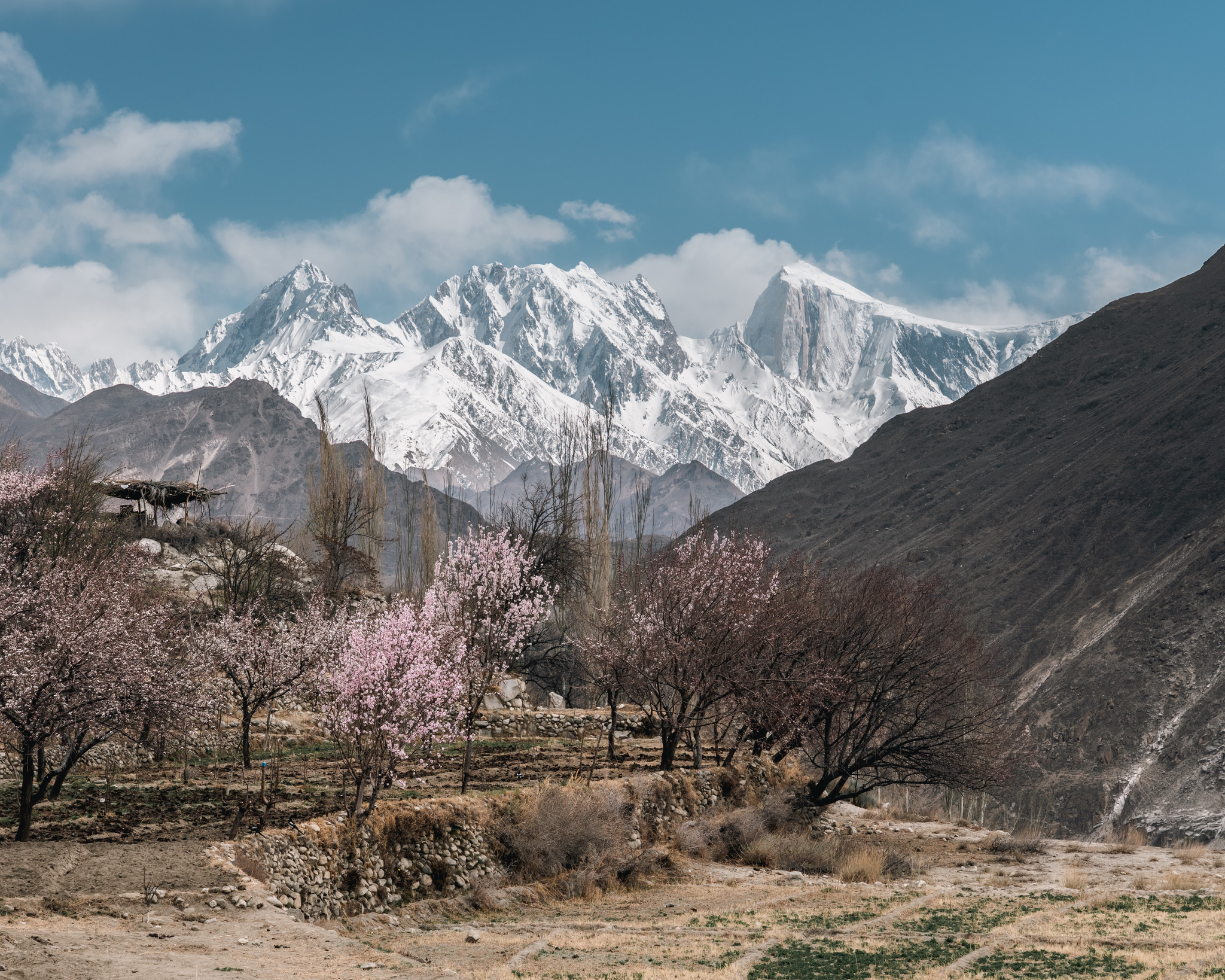
Altitude keeps Hunza cool even when the plains of Punjab and Sindh are baking. August is typically the warmest month, with daytime averages around 12°C, while January can drop to -30°C at night. Rainfall is modest and tends to arrive in summer; snow builds in autumn and spring. Dust on dry roads is common, so pack something to cover your face if you are sensitive.
When to visit
Summer is the sweet spot for most travellers. May through September brings clearer roads, milder days, and the kind of mountain light that makes every viewpoint feel worth the drive. Spring and early autumn are quieter and still very rewarding if you dress for cooler mornings.
We do not recommend winter for independent travel. Heavy snow closes many high passes, including Babusar Top, and temperatures become genuinely harsh. If you must travel in the cold months, flying into Gilgit and moving with an experienced local team is the safer route.
Our 2026 Hunza departures handle transport, guides, and accommodation so you can focus on the valley instead of the logistics.
Autumn colours
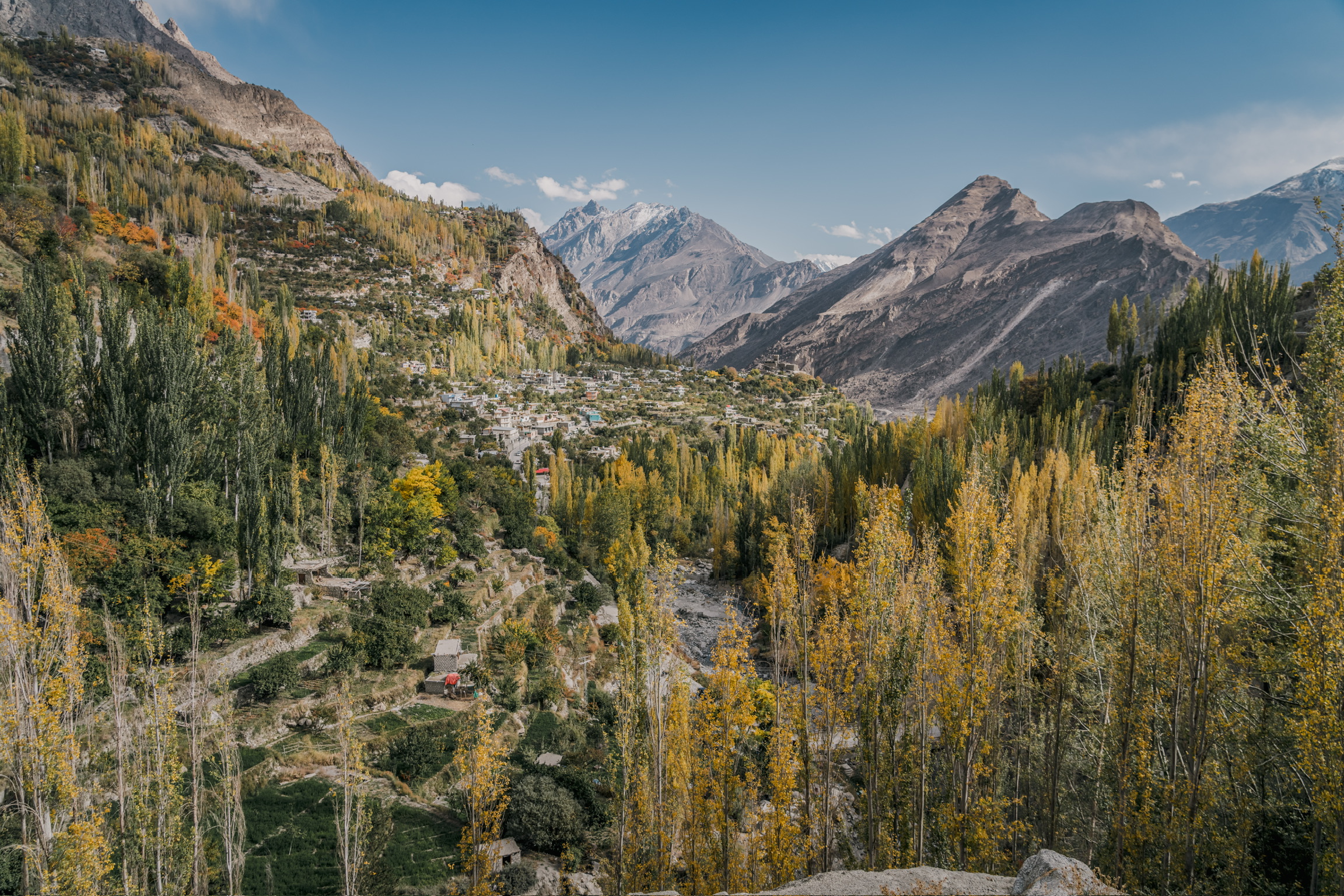
Hunza is Pakistan's finest autumn stage. Apricot and poplar trees turn gold and orange along the river while the Karakoram stays grey and white behind them. Photographers and couples alike chase this palette through October, with mid-October usually the peak. By late November roads become less predictable and cold sets in fast, so plan autumn trips for the first half of the month.
Getting there
Most overland journeys start in Islamabad and follow the Karakoram Highway through Naran and over Babusar Top when the pass is open, continuing north to Karimabad. In winter, when Babusar is closed, flying into Gilgit and driving from there is the practical alternative.
-
1
Islamabad to the north
Begin on the KKH or fly to Gilgit depending on season and how much road time you want.
-
2
Through Babusar or via Gilgit
Summer routes cross Babusar Top; winter routes rely on the Gilgit air link when passes shut.
-
3
Arrive in Karimabad
The main tourist hub of Hunza, with forts, bazaar, and Eagle's Nest viewpoint close by.
Self-driving is possible but we strongly advise an experienced local driver who knows the mountain roads. Public buses run, though private transport gives you flexibility for stops at Rakaposhi Viewpoint, Attabad Lake, and Passu. When you travel with Karakoram Ascents, transport and routing are included from day one.
Getting around the valley
Hunza spreads out. Villages, lakes, and viewpoints sit along a long stretch of the KKH, and public transport between them is limited. A private vehicle or a guided group is the comfortable way to move at your own pace. Our teams know which side roads are open, where to stop for tea, and how to time Eagle's Nest for sunset without rushing Baltit Fort in the same afternoon.
Things to do in Hunza Valley
Beauty is everywhere, but these are the stops our guests ask about most.
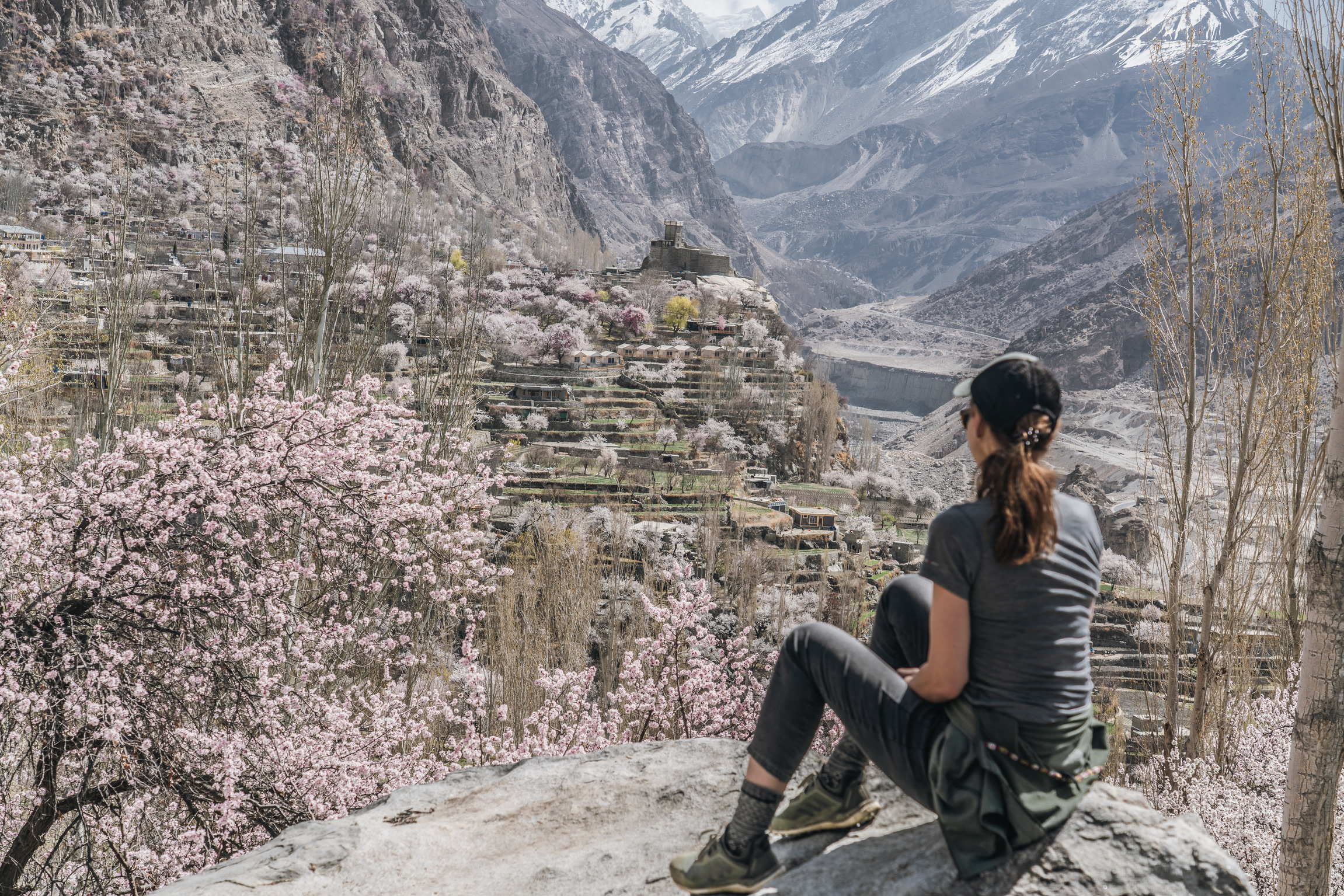
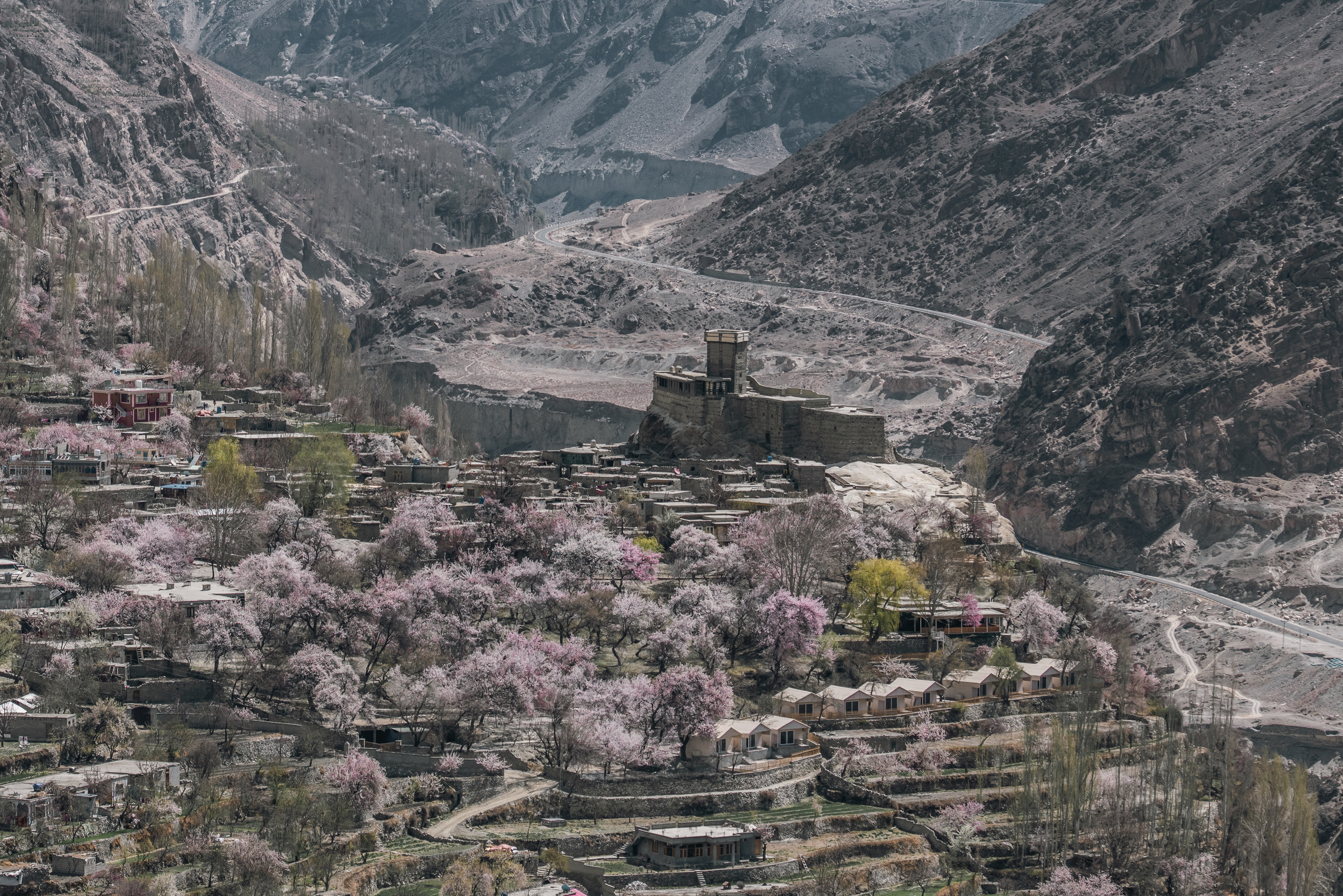
Altit Fort
Over a thousand years old, once home to the Mirs of Hunza, with gardens and valley views. Open roughly 9:30 am to 5:30 pm; small entry fee.
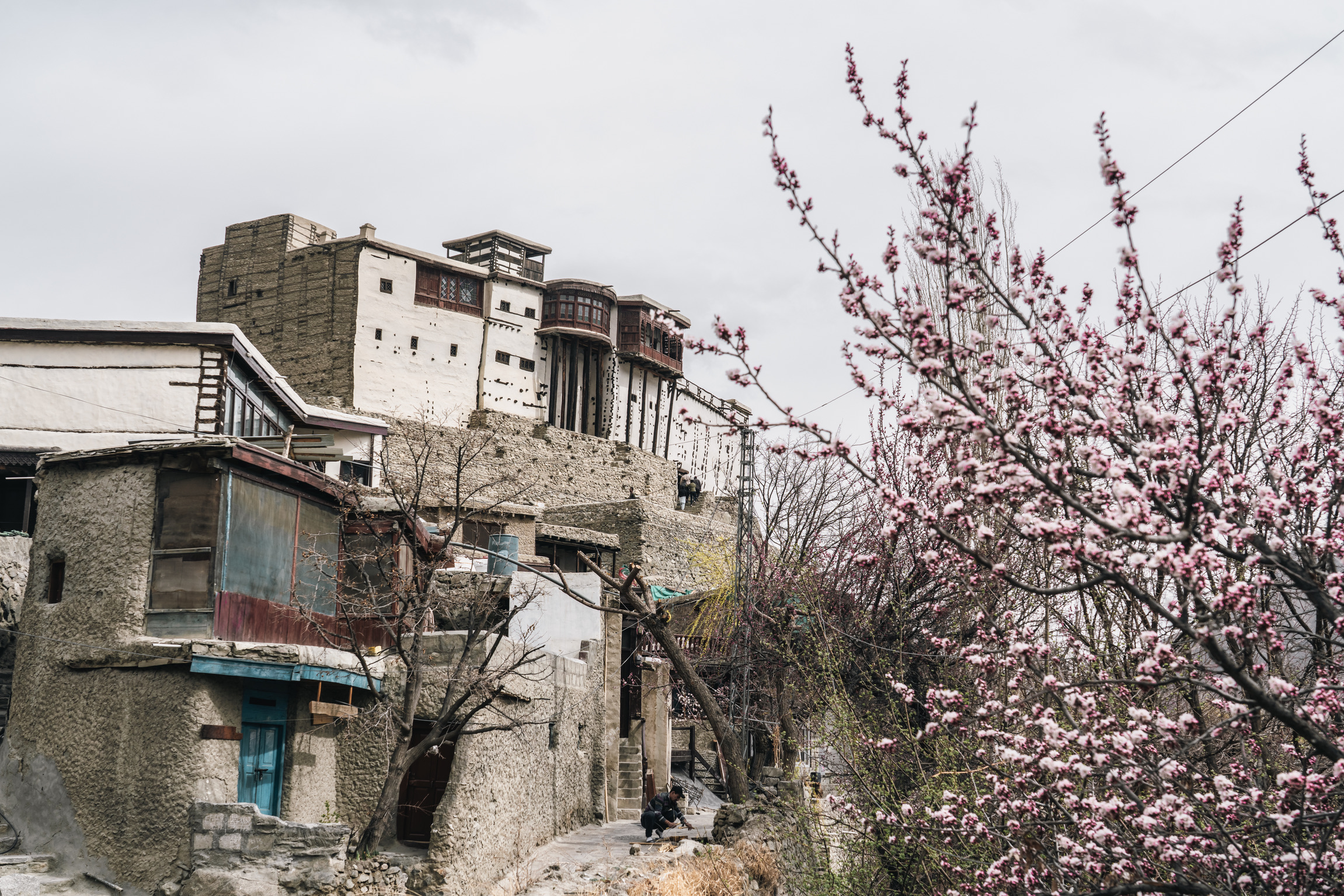
Baltit Fort
A seven-century fort overlooking Karimabad, restored with Balti craftsmanship. Worth visiting for the architecture, views, and occasional folk performances.
Karimabad Bazaar
Textiles, caps, carpets, and jewellery from Hunza and across Pakistan. Haggling is normal; start around half the opening price if you are unsure of value.
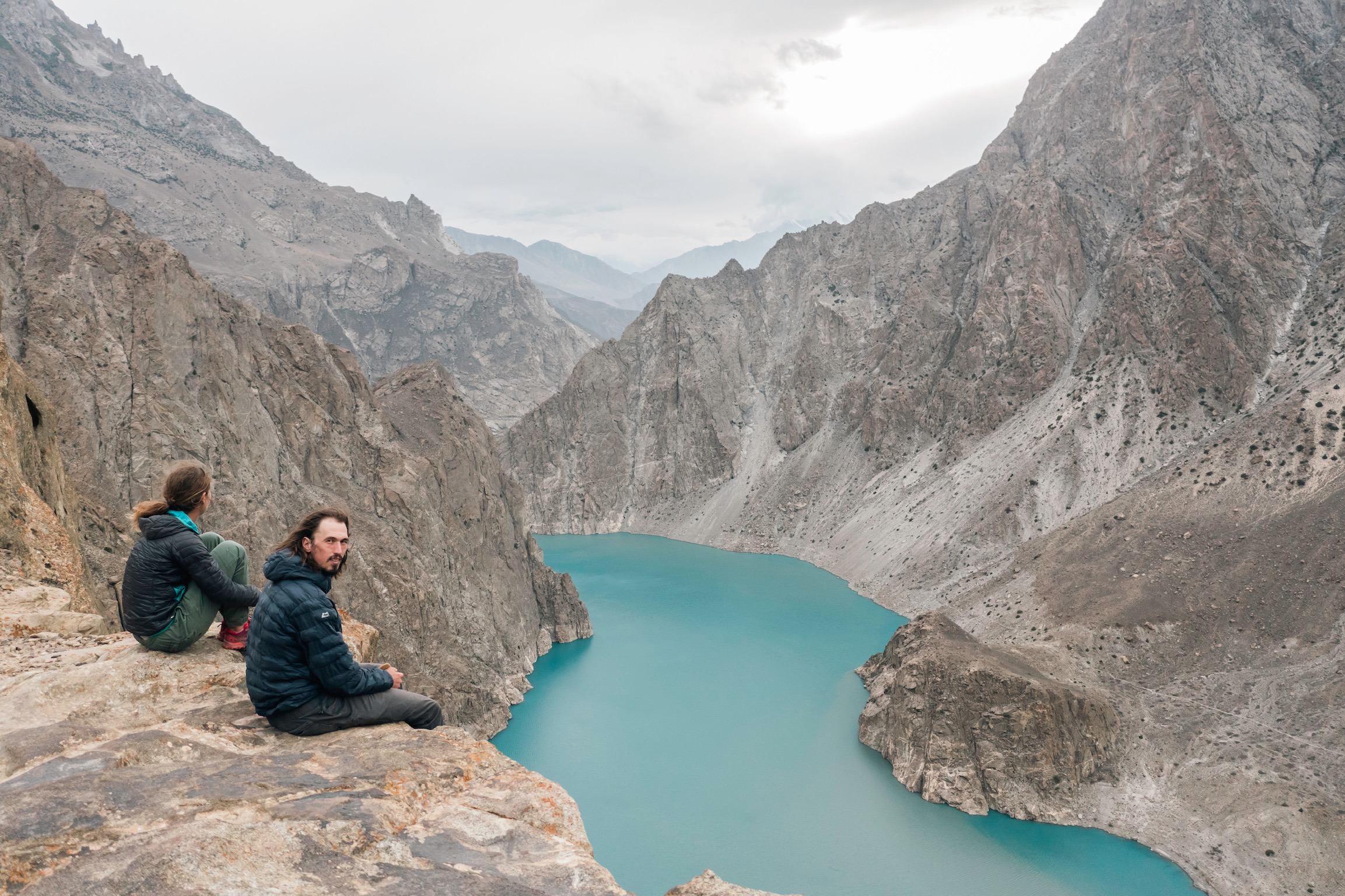
Attabad Lake
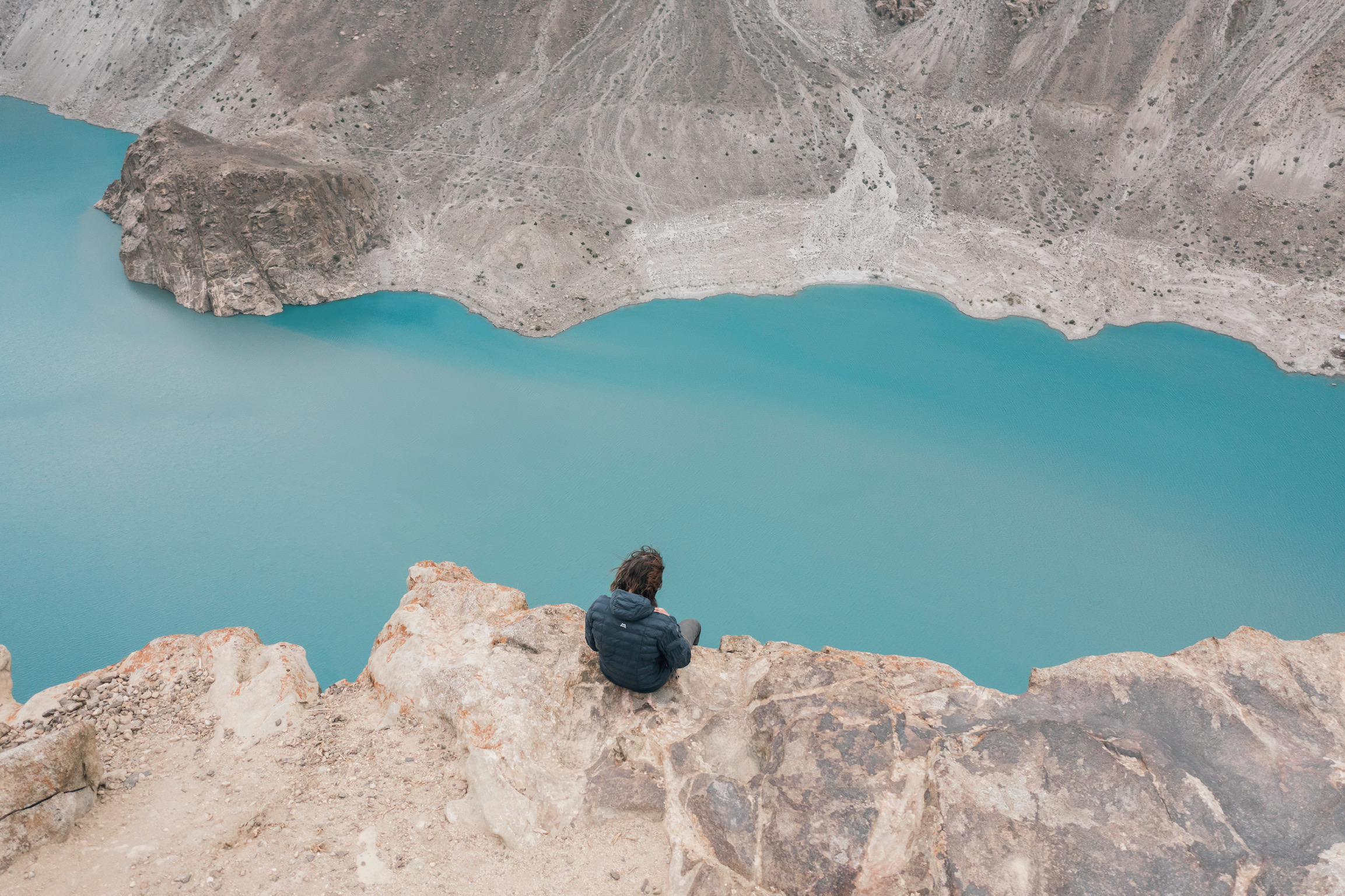
Formed in 2010 after a landslide dammed the Hunza River. Boat rides, lakeside walks, and calm turquoise water that defines modern Hunza.
Hussaini Bridge
A famous suspension bridge with wide gaps between planks. Thrilling, photogenic, and best crossed slowly with a steady hand on the cables.
Passu Cones
Passu village sits beneath Passu Sar and the glacier, creating one of the Karakoram's most recognisable skylines. Low traffic makes it a favourite photo stop.
Attabad Lake
Less than twenty years old and already iconic, Attabad is where many travellers fall in love with Hunza. Breakfast on the shore, a short boat trip, or a hike on the surrounding ridges all work. Swimming is not advised; the water is deep and cold year-round.
Khunjerab Pass
At 4,733 metres, the Pakistan-China border at Khunjerab is the highest paved international crossing on land. You do not need to enter China to appreciate the drive through Khunjerab National Park. Allow about four hours from Karimabad, carry warm layers, and expect thin air at the top. There is a national park entry fee for foreign visitors.
Want these stops woven into a single itinerary? Talk to our team about a custom Hunza route or join a scheduled departure on our trip calendar.
Food and souvenirs
Travel is not only about viewpoints. Hunza has flavours and crafts worth bringing home.
What to eat
- Mamtu. Steamed dumplings similar to central Asian manti, a Gilgit-Baltistan staple and always halal. Try them fresh in Karimabad or Gilgit bazaars.
- Seasonal fruit. Apples, apricots, pears, and plums thrive in the cool climate. Autumn means orchard-fresh apples; dried fruit and jam are available year-round.
- Mountain tea and local bread. Small guesthouses and roadside stops serve hearty breakfasts that set you up for a full day on the road.
What to buy
- The Hunza cap. Embroidered for women, simpler with a feather for men. Lightweight, distinctive, and easy to pack.
- Wool textiles. Shawls, scarves, and handwoven pieces suited to mountain evenings.
- Dried fruit, honey, and jam. Practical gifts that travel well. Apricot jam and local honey are guest favourites on our trips.
Staying safe in Hunza
Hunza feels peaceful, which makes it easy to relax your guard. A few practical reminders keep the trip smooth.
Road safety
Mountain roads are narrow and exposed. Travel with an experienced driver, avoid night driving, and build extra time for weather delays.
Altitude and health
Rise gradually, drink plenty of water, and stick to cooked food and bottled or treated water. Carry snacks for long driving days.
Personal awareness
Hunza is welcoming, but standard travel sense applies. Dress modestly, keep valuables secure, and trust your instincts in unfamiliar situations.
For high-altitude trips beyond Hunza, review our trekking insurance guide before you fly. Good cover matters once you move toward Khunjerab or longer treks.
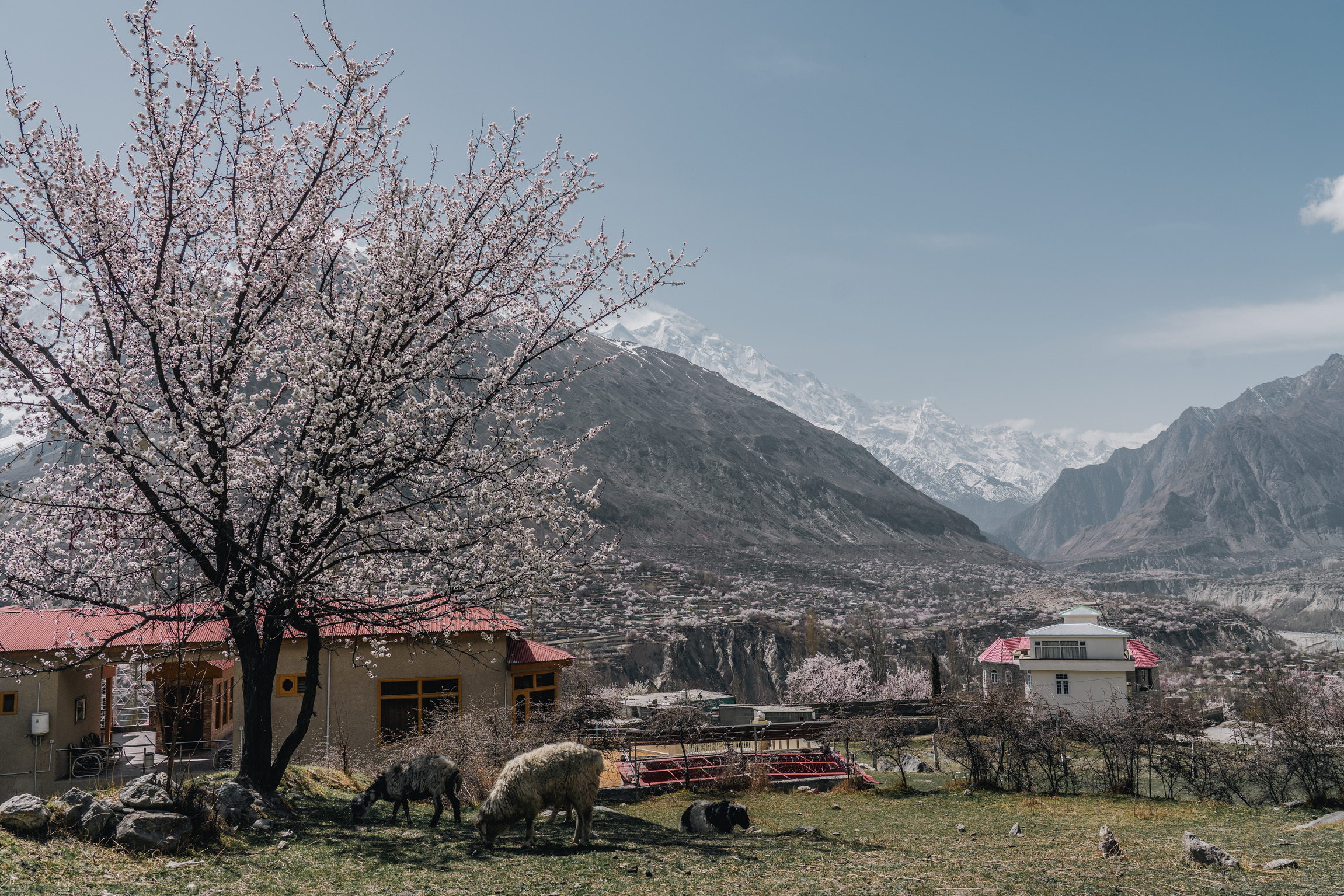
Where to explore next
Hunza pairs naturally with other northern Pakistan highlights. If this valley leaves you wanting more, consider these next steps with Karakoram Ascents:
Fairy Meadows & Nanga Parbat
Walk from the meadows to the base of the ninth-highest peak on earth. Read our Fairy Meadows trek guide.
K2 Base Camp
For serious trekkers ready to go deeper into the Karakoram. Browse the route on our destinations page.
Kalash Valley festivals
Combine mountain scenery with one of Pakistan's most unique cultural experiences. See our festival departures.
Final thoughts
Hunza earns its reputation. The landscapes are world-class, the culture is open, and the tourism infrastructure is better here than almost anywhere else in the north. With sensible planning and a reliable local team, it works equally well for first-time visitors to Pakistan and returning travellers who keep coming back for the light on Rakaposhi at dusk.
When you are ready to see it for yourself, we would be glad to show you the valley the way we know it.
Experience Hunza with Karakoram Ascents
Guided departures, custom routes, and a team that lives and works in these mountains year-round.