Northern Pakistan holds some of the world's most dramatic trekking country: snow peaks, green valleys, glacial lakes, and villages that feel a world away from the cities. Before you pack your boots, you need to know when the trails are actually open and the weather is on your side. The right season means safer passes, clearer views, and landscapes at their best. The wrong one can mean closed roads, deep snow, or altitude risk you did not plan for.
At Karakoram Ascents we run departures across Gilgit-Baltistan every year, and timing is one of the first things we discuss with every guest. This guide walks through the seasons, the main trekking regions, and the practical habits that keep a northern Pakistan trip running smoothly.
Understanding the seasons
Northern Pakistan has four distinct seasons, and each changes the mountains in a different way. Not every season suits every trail. What works in Hunza at 2,500 metres is not the same as what works on the Baltoro at 5,000 metres.
Spring (March to May)
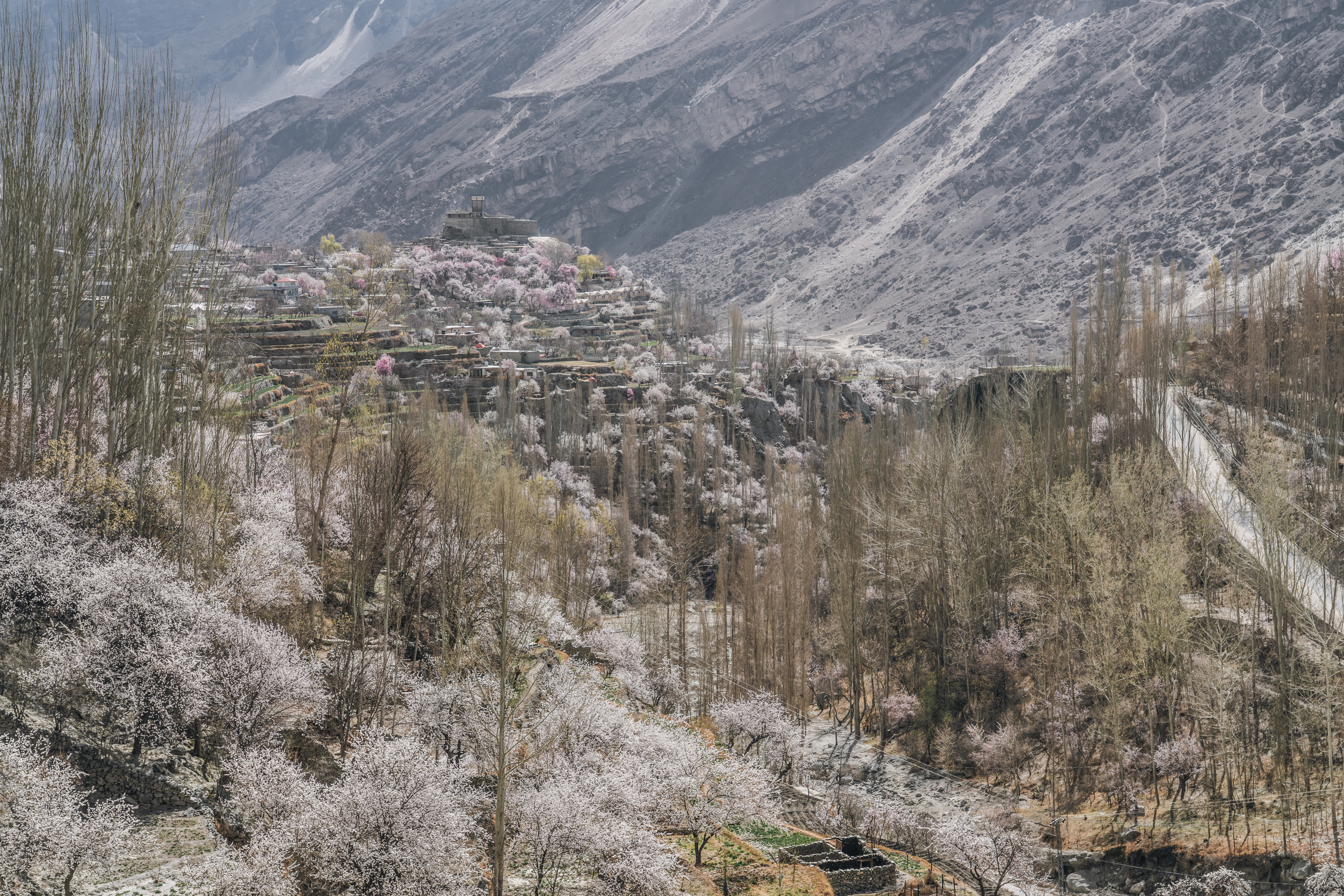
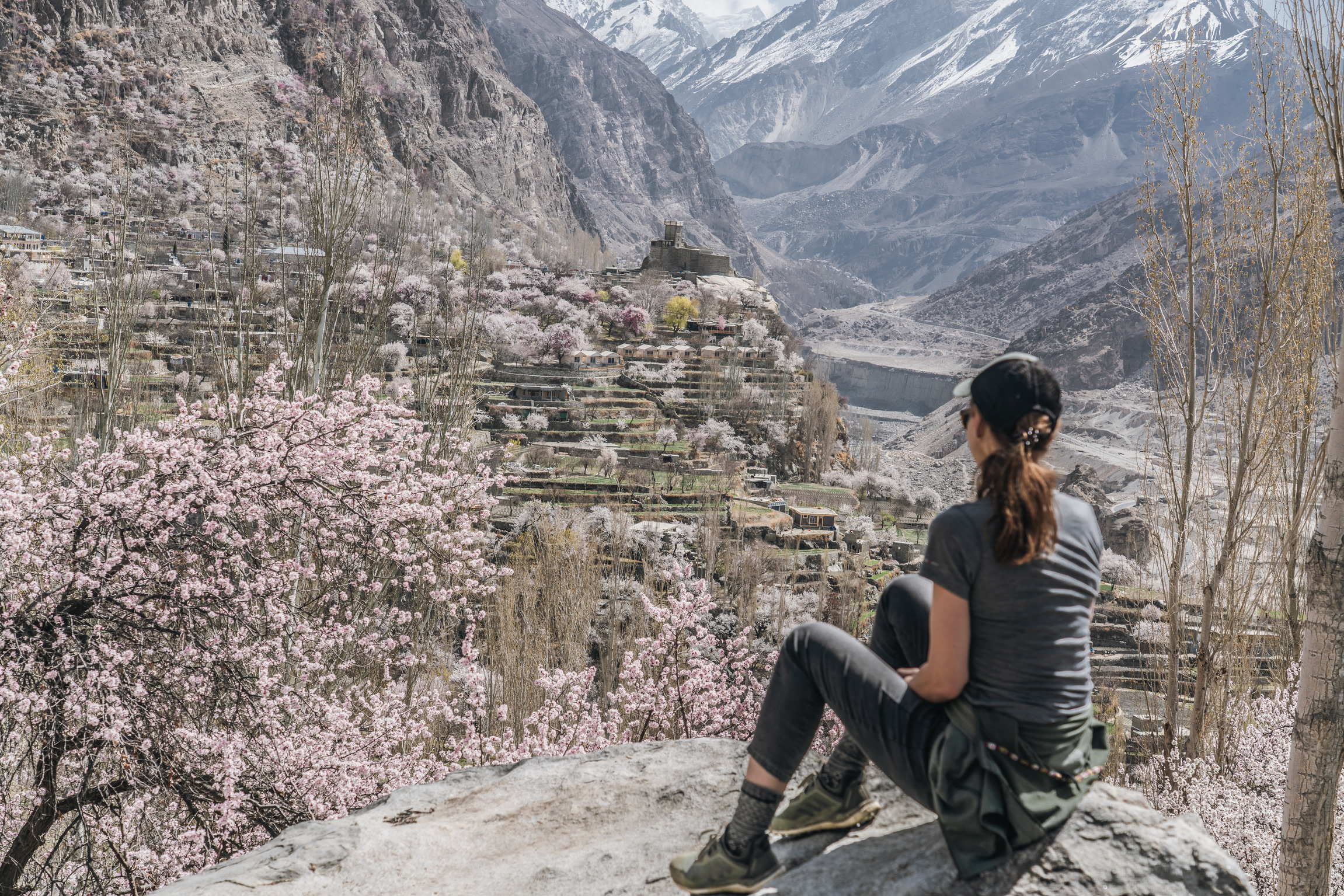
Meadows green up, snow melts on lower trails, and valleys like Hunza and Naran wake with blossom and fresh grass. Skies are often clear and temperatures moderate, which suits beginners and cultural trips as much as short hikes.
Summer (June to August)
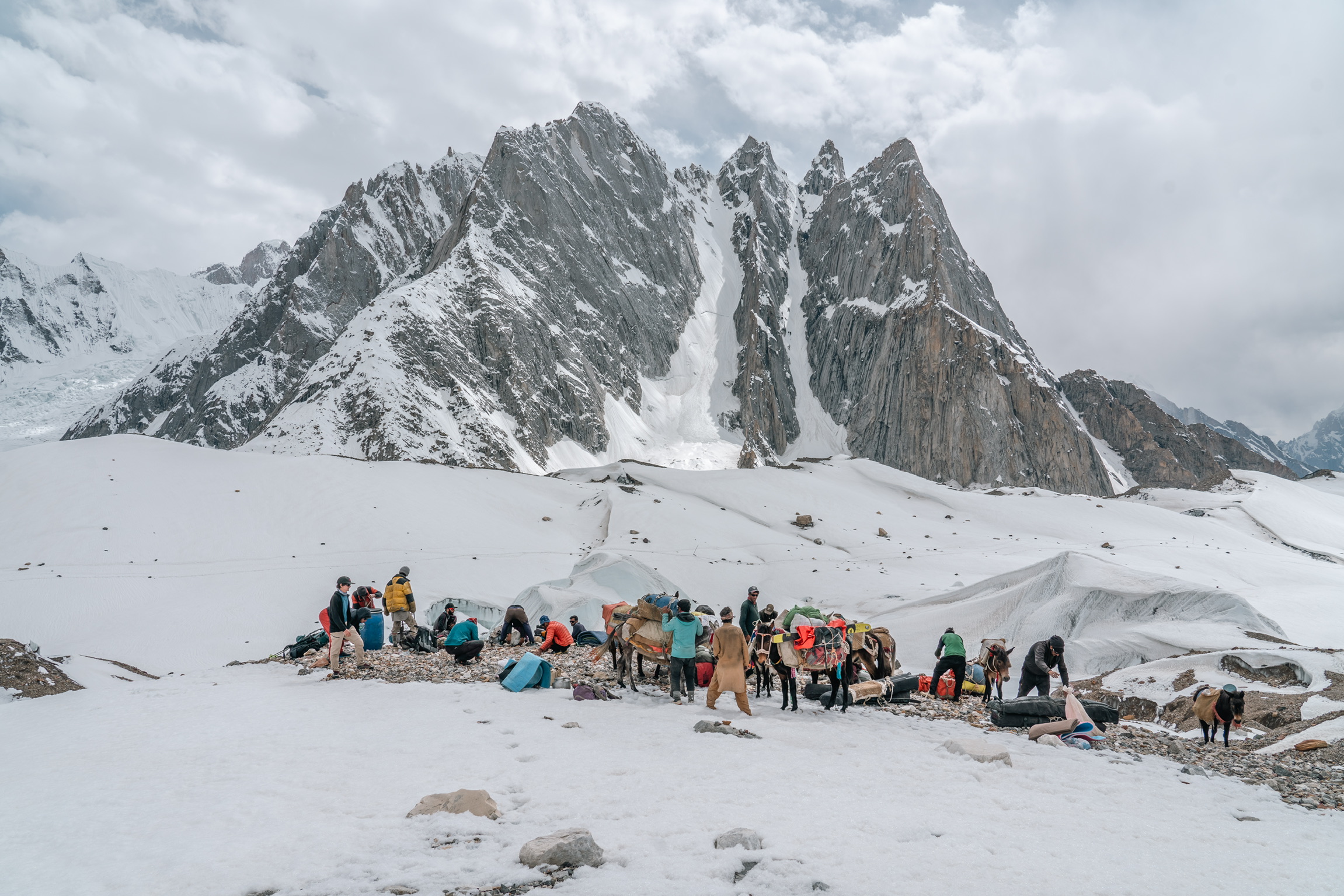
Peak trekking season. High passes open, snow retreats on major routes, and trails like K2 Base Camp, Fairy Meadows, and Nanga Parbat Base Camp become accessible. Stable weather and comfortable daytime temperatures make this the window for serious altitude.
Autumn (September to November)
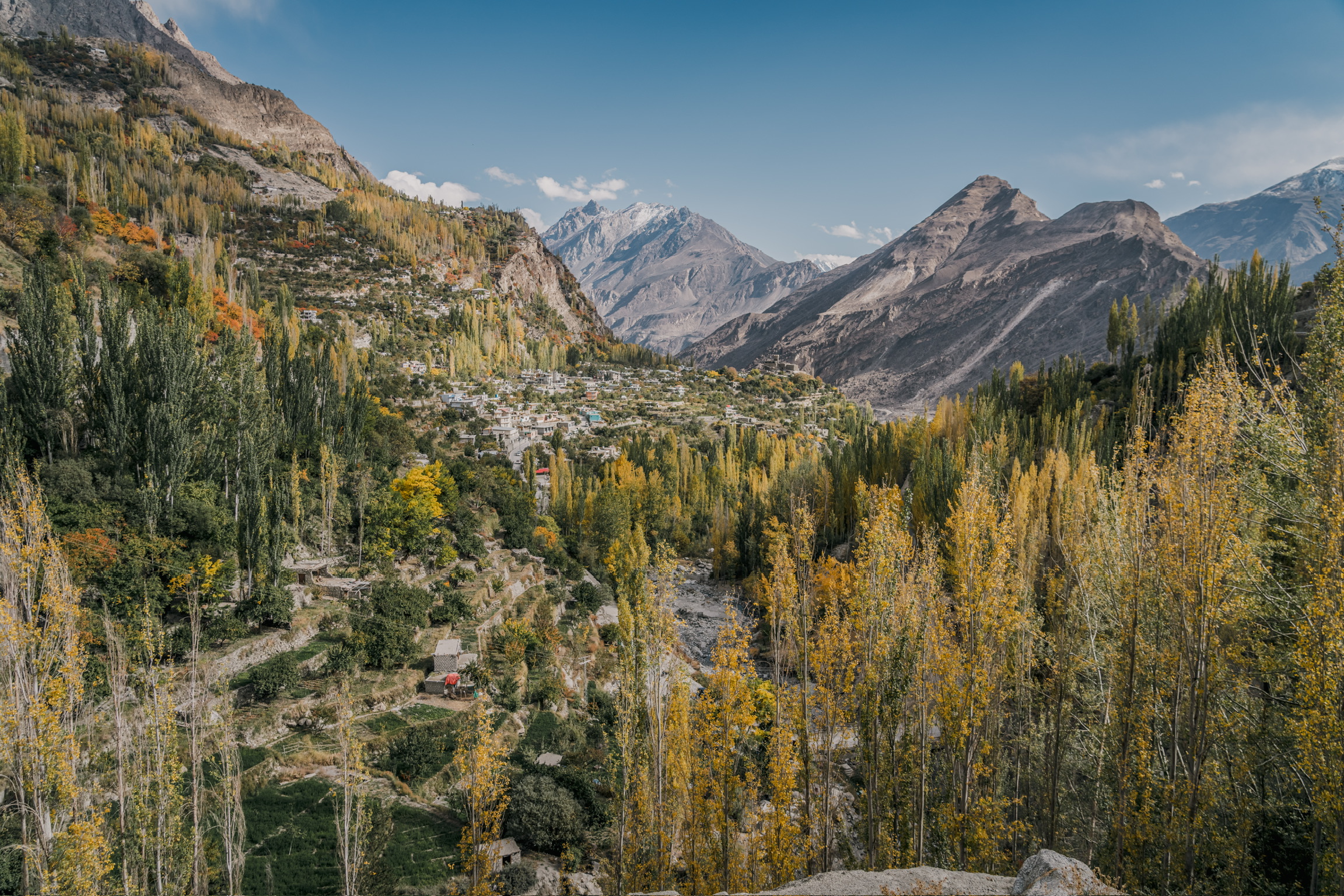
Crisp air, golden foliage, and fewer crowds. Hunza and Gilgit turn amber and red through October. Excellent for photography and quieter trails, though nights cool fast and high passes close earlier each year.
Winter (December to February)
Heavy snow closes most trekking routes. Lower towns like Skardu can still be reached, but multi-day high-altitude treks are largely off the table until spring.
Top trekking regions and when to go
Each part of the north has its own rhythm. Match your dates to the region and altitude you have in mind.
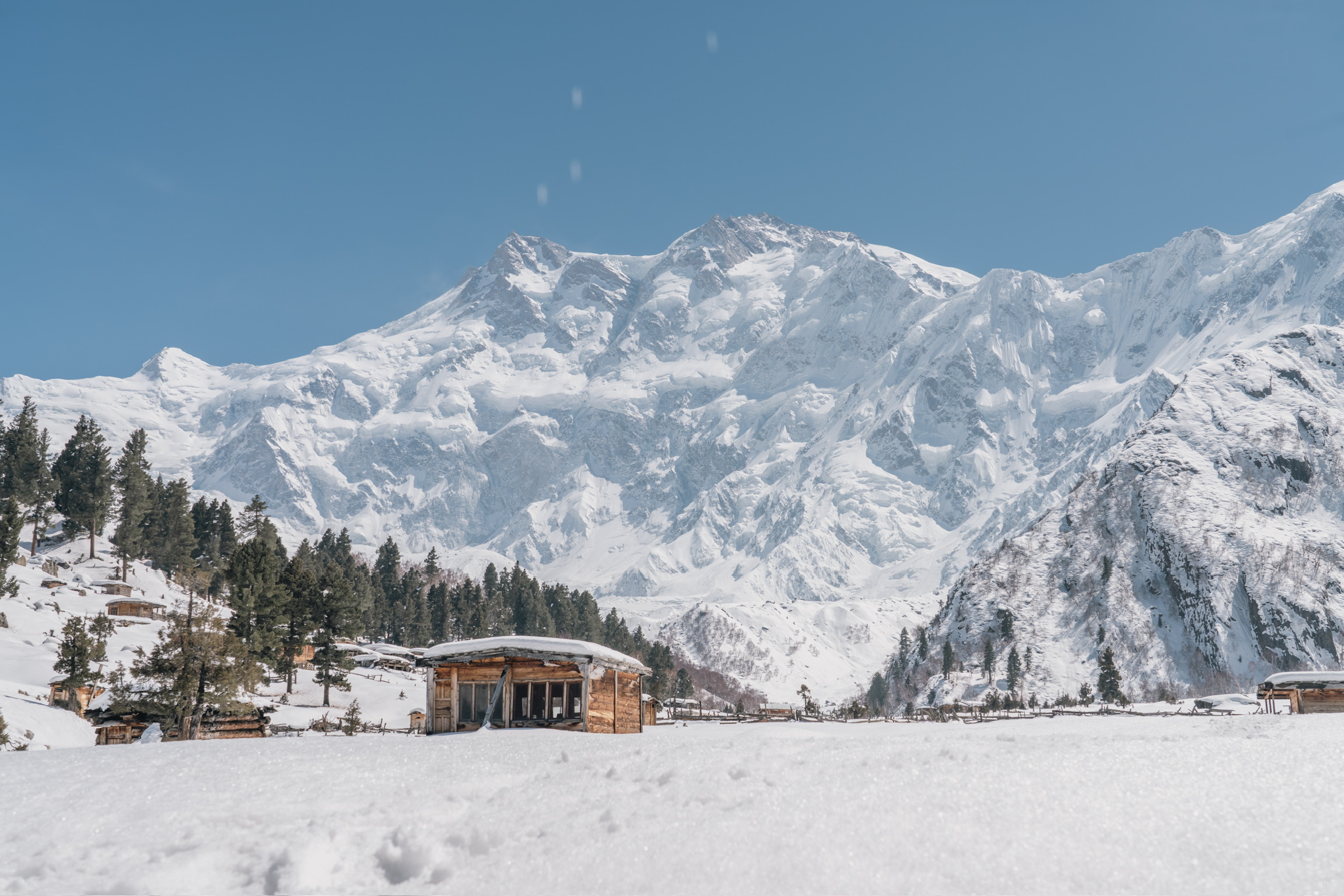
Fairy Meadows and Nanga Parbat Base Camp
One of Pakistan's most popular walks, starting with the jeep ride to Tato and a hike through pine forest to the meadows below Nanga Parbat. Best months: May to September, when the meadows are green and the trail to base camp is clear. Read our Fairy Meadows trek guide for full preparation advice.
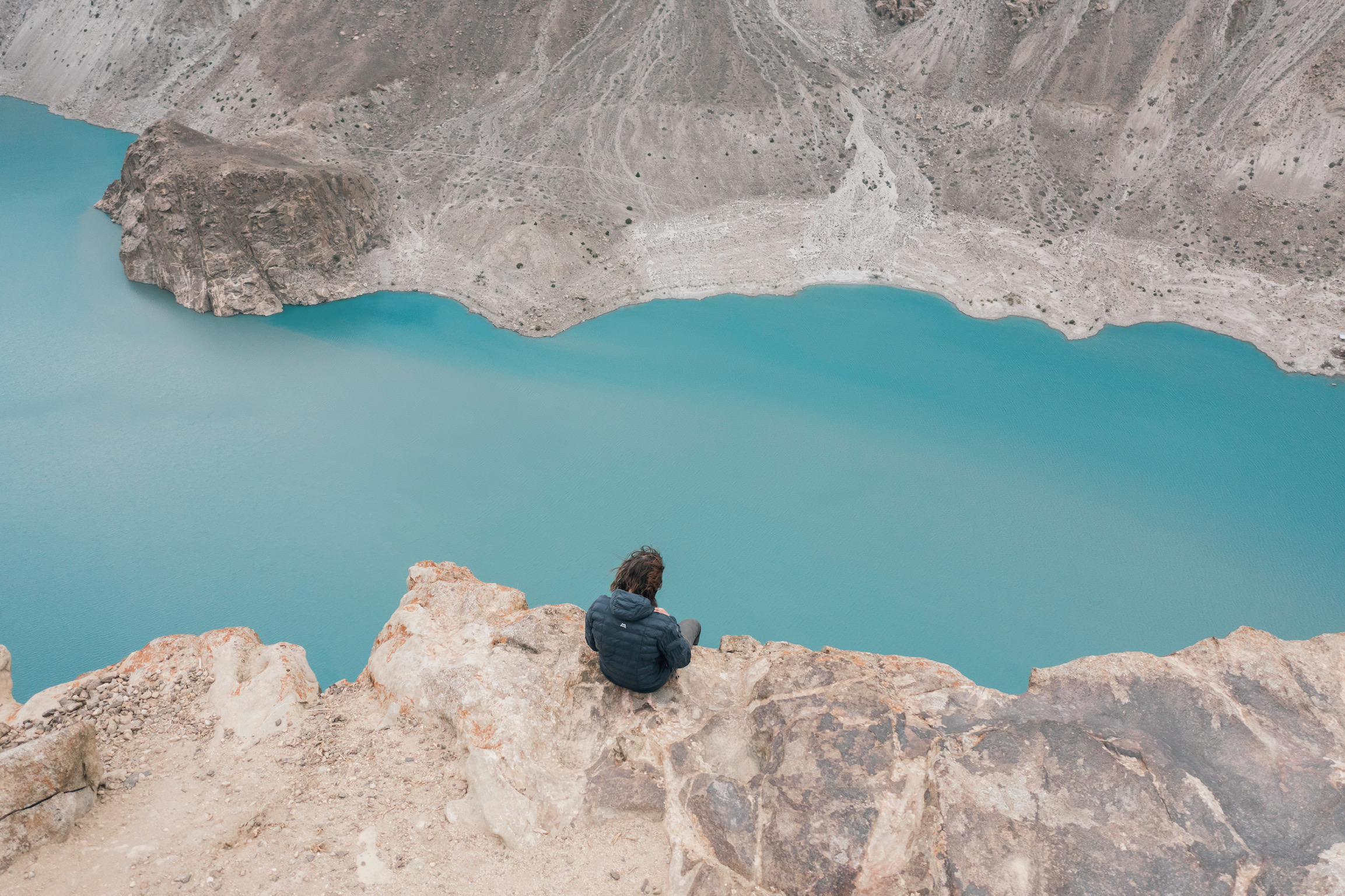
Hunza Valley
Routes like Ultar Meadow, Passu Glacier, and Borith Lake reward trekkers with fruit orchards, clear skies, and views of Rakaposhi and Ultar Sar. Ideal window: June to October. See our Hunza Valley guide for sights and logistics.
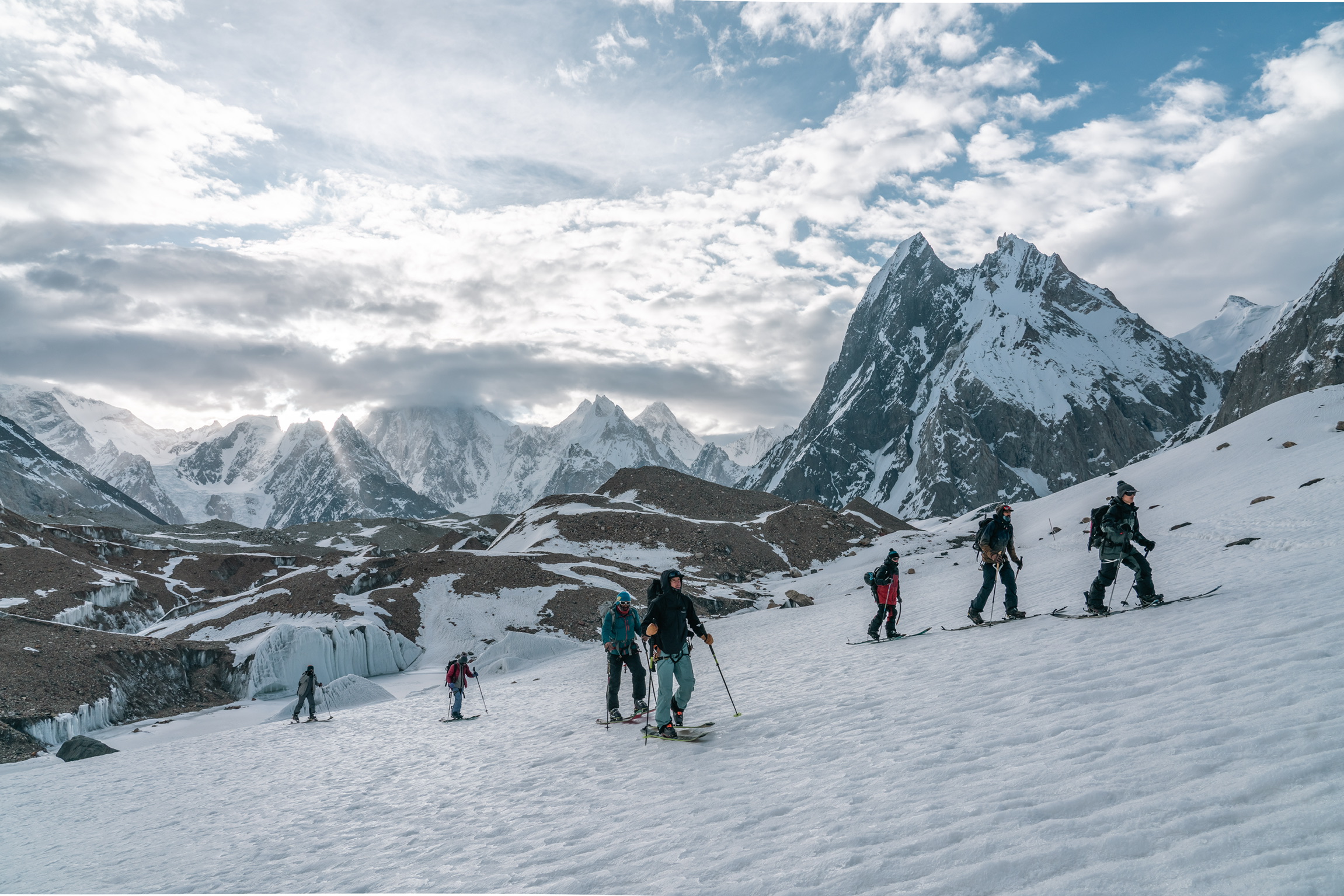
Skardu and Baltistan
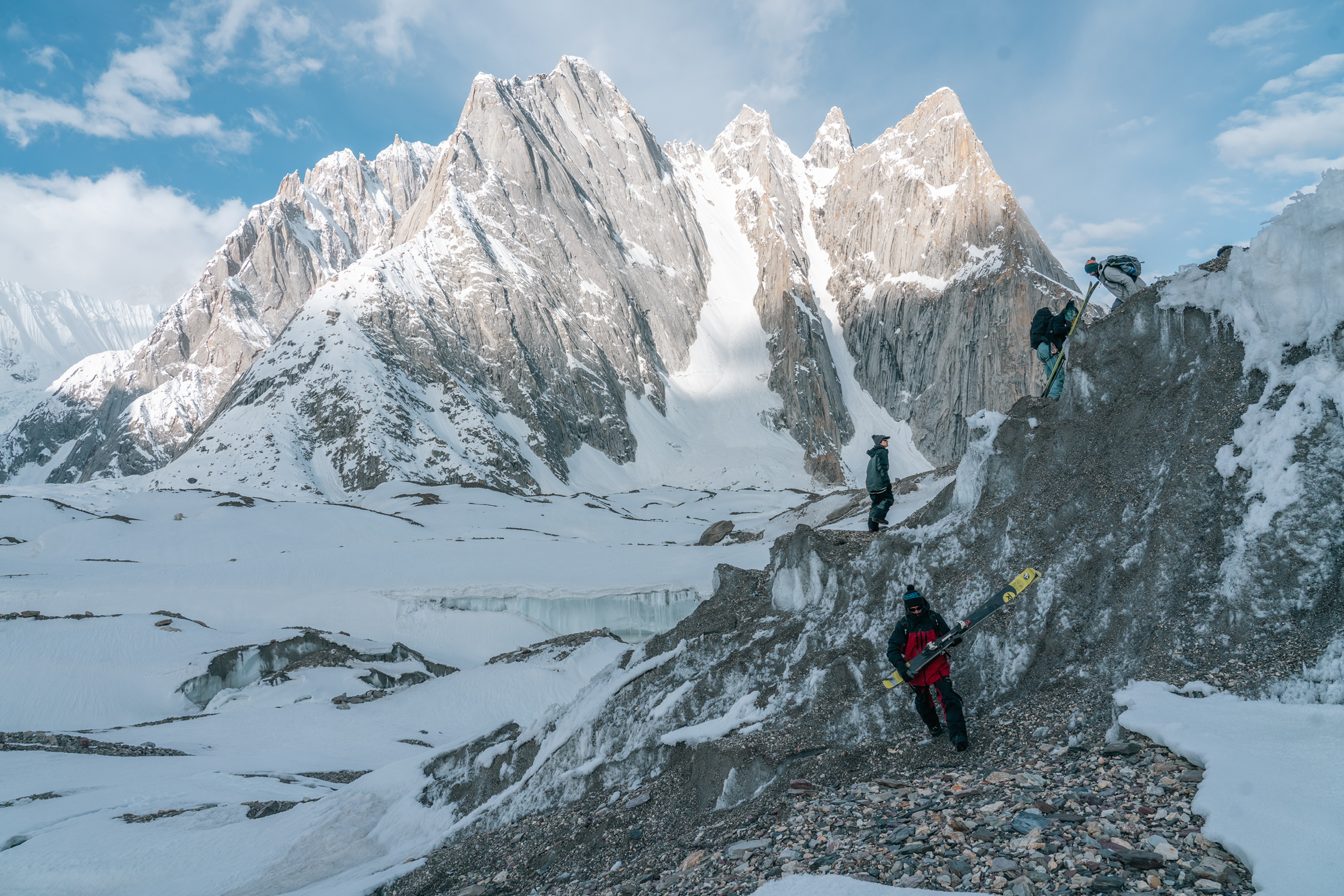
Gateway to the Karakoram and home to K2, Broad Peak, and the Gasherbrums. For K2 Base Camp, Concordia, and the Baltoro Glacier, plan for June to August when the glacier route is open and stable.
Kaghan and Naran
Gentler options such as Saif-ul-Malook and Ansoo Lake suit casual trekkers and families. Roads and weather are most reliable from May to September, when Babusar Top is open for the drive north.
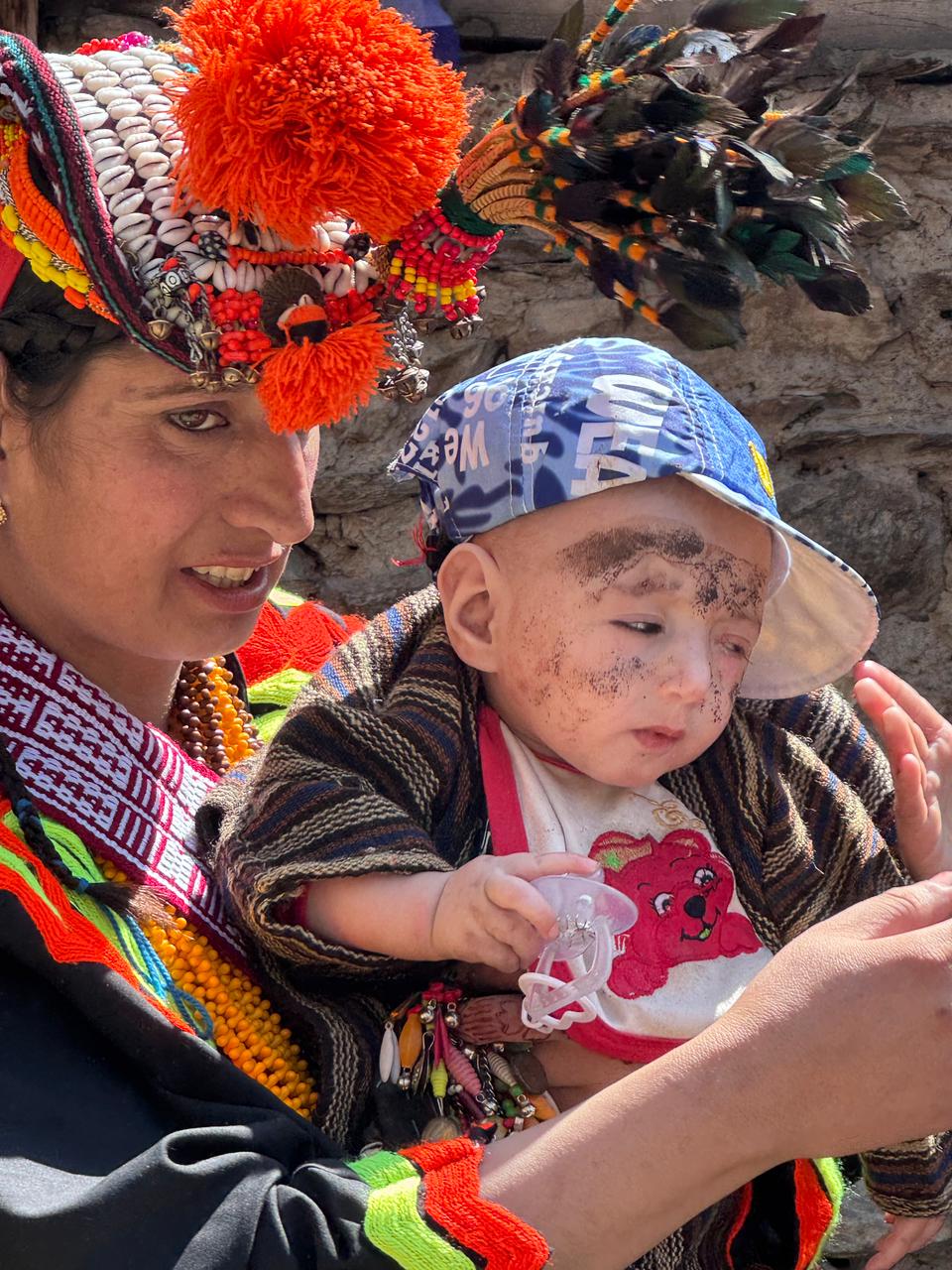
Chitral and the Kalash Valleys
Trekking here pairs mountain scenery with the unique culture of the Kalasha people. Spring and early summer offer moderate weather and festival season. Our Kalash Valley departures run around the four seasonal festivals.
Tell us your month and fitness level and we will recommend the right trek from our calendar.
Why summer is the peak season
Every season has charm, but summer remains the best choice for most high-altitude treks in northern Pakistan.
- Open passes. Snow melt unlocks routes like the Baltoro, Gondogoro La, and high camps above 4,000 metres.
- Stable weather. Clearer skies and milder days reduce the risk of rain delays and avalanche exposure on major trails.
- Full landscapes. Meadows bloom, rivers run strong, and long daylight hours give you more time on the trail.
- Local life in motion. Summer brings village activity, harvest work, and the hospitality that makes northern Pakistan memorable.
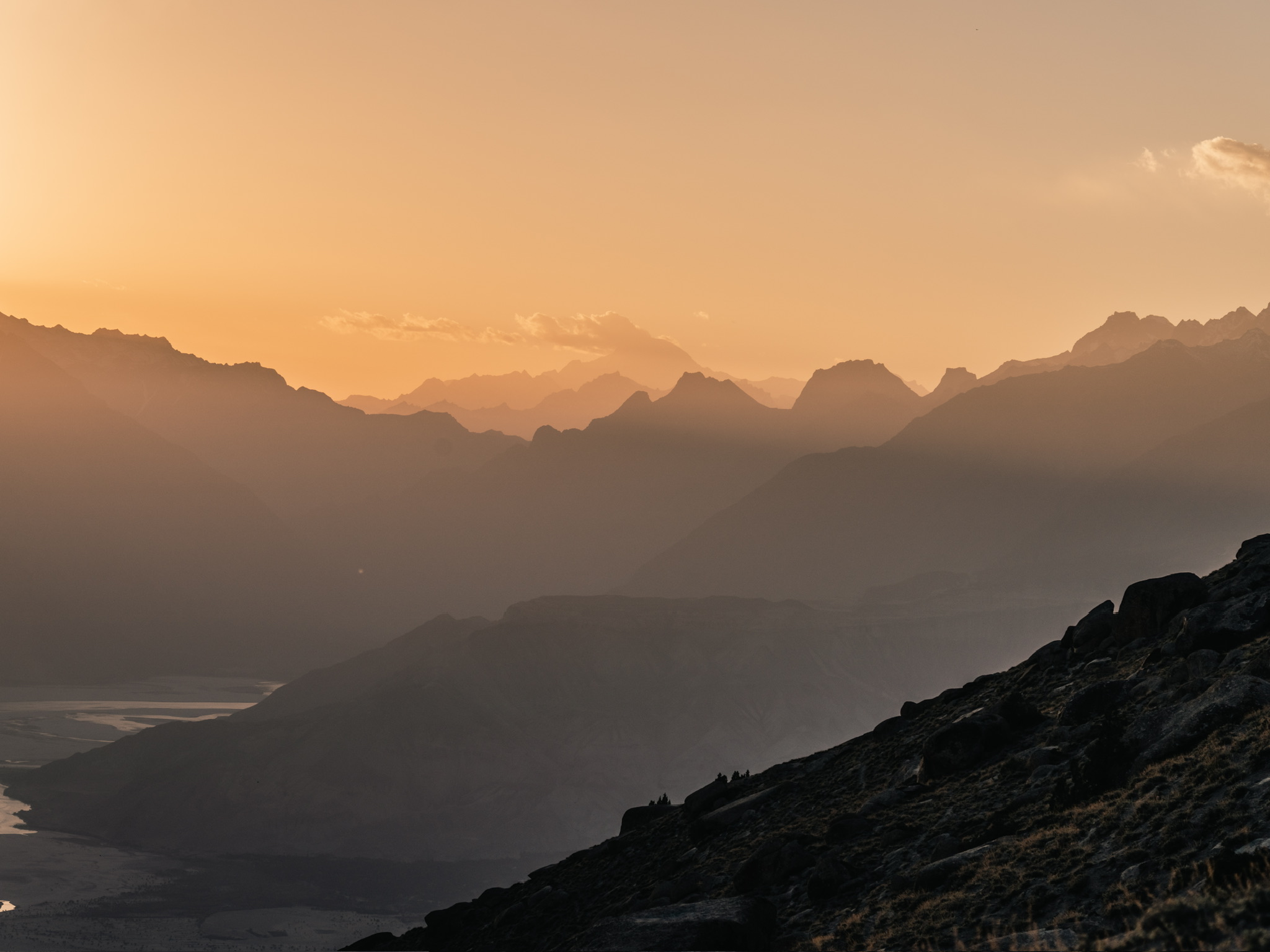
Long evenings mean sunsets over Rakaposhi, Nanga Parbat, or K2 that stay with you long after you fly home.
Essential preparation tips
- Book early. Peak summer fills quickly for guides, jeeps, and lodge space in Skardu and Hunza.
- Walk with a local guide. Someone who knows the terrain, weather signs, and village customs makes every day safer and richer.
- Pack for swings in temperature. Waterproof shell, broken-in boots, sunscreen, and warm layers for cold nights even in July.
- Acclimatise. Build rest days into any itinerary above 3,500 metres to reduce altitude sickness risk.
- Drink steadily. Mountain air is dry. Sip water throughout the day rather than waiting until you feel thirsty.
- Leave no trace. Carry out what you carry in, especially on glacier camps and meadow routes.
Build your fitness before departure with our fitness guide, and sort high-altitude cover using our trekking insurance guide.
Culture along the trail
Beyond the peaks, northern Pakistan is a cultural journey. Remote villages still run on hospitality, shared meals, and traditions that predate the trekking boom. In Hunza you meet the Burusho community; in Baltistan, Tibetan and Central Asian influences show up in food, architecture, and dress. Family guesthouses, local bread, and dishes like chapshuro turn a trek into something closer to travel at its best.
Safety and permits
Some routes near international borders require permits. K2 Base Camp, Deosai National Park, and certain restricted zones need advance paperwork. Traveling with a licensed operator simplifies this: Karakoram Ascents handles permits, transport, and professional guides so your dates align with open trails and safe conditions.
Weather can shift quickly at altitude. Check road status before long transfers, carry emergency contacts, and never treat a clear morning as a guarantee for the afternoon. Our teams monitor conditions daily during every departure.
Final thoughts
Trekking in northern Pakistan stays with you. The combination of raw altitude, warm villages, and landscapes that feel unreal is hard to match anywhere on earth. Timing is the difference between a smooth trip and a fight against closed passes and cold camps.
For most travellers, June through August is the sweet spot for high-altitude routes. May and September suit Hunza, Fairy Meadows, and cultural journeys. October is magic for autumn colour if you dress for cold nights. Plan around your chosen region, book early for summer, and travel with a team that knows these mountains year-round.
Trek northern Pakistan with Karakoram Ascents
From Fairy Meadows to K2 Base Camp and Kalash festivals, we match the right departure to the best window on the calendar.